Scooters & E-Mobility
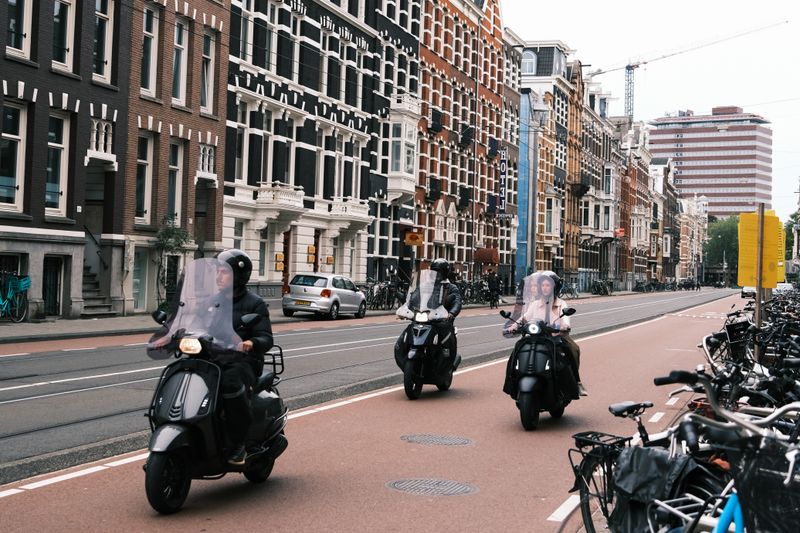
Seated Scooters and Mopeds Blur the Legal Line
Adding a seat, more power or a higher top speed can move a small electric vehicle out of the bicycle category entirely and into one requiring registration.

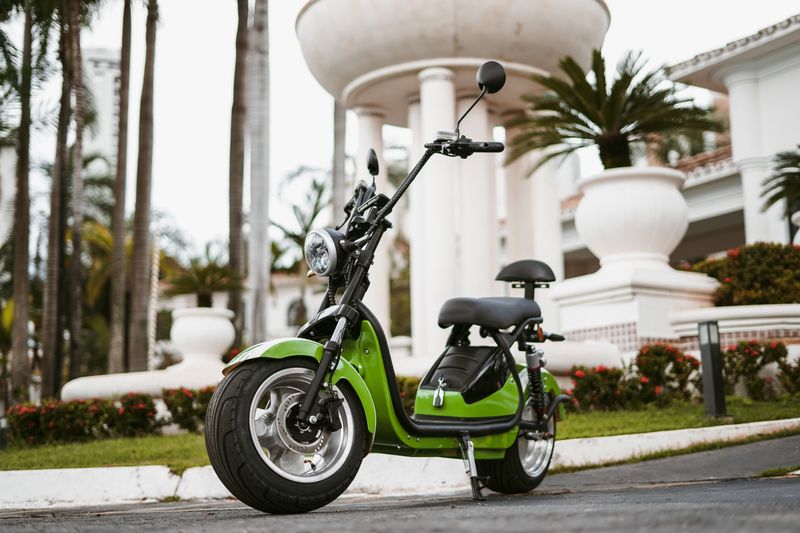
The visible difference between an electric bicycle and a moped is small and getting smaller. The legal difference is large, and it turns on numbers rather than appearance.
Vehicle categories are defined by capability
Vehicle codes classify machines by measurable properties: motor power, maximum speed under motor power, whether functional pedals are present, and sometimes weight.
A machine that stays within the electric bicycle thresholds is generally treated much like a bicycle. One that exceeds them falls into a motor vehicle category.
Because the boundary is numeric, two machines that look nearly identical can sit on opposite sides of it.
Seats and pedals are weak signals
Some electric bicycles are sold with long saddles and vestigial pedals that few riders use, which makes them functionally similar to a small motorcycle.
Whether pedals must be operable, and whether the machine must be capable of being ridden without power, varies between jurisdictions.
Enforcement often keys on the visible presence of pedals, but that is a practical shortcut rather than the actual legal test.
Crossing the line brings a package of obligations
Moped and motor-driven cycle categories typically require registration, a license plate, some level of operator license, and insurance in many states.
Equipment requirements follow as well, covering lighting, mirrors, brakes, and in many places a helmet meeting motorcycle standards rather than bicycle standards.
They also generally exclude the machine from bike lanes and shared-use paths, which removes the main practical advantage of the smaller category.
Modification is the common route across
Machines sold as electric bicycles can often be reprogrammed or rewired to exceed their labeled speed or power, sometimes through a setting in a display menu.
Doing so may reclassify the vehicle regardless of what the label says, and it can void warranties and complicate insurance after an incident.
It also loads brakes, tires, and frames beyond the conditions the machine was certified for, which is a mechanical concern independent of the legal one.
The categories are being rewritten
State legislatures and city councils are actively revising these definitions as higher-powered machines become common, particularly around delivery riding.
Some jurisdictions are adding intermediate categories, and others are tightening enforcement on machines that exceed bicycle limits while using bicycle infrastructure.
Anyone buying near the boundary is best served by checking the current definitions in their own state, since a machine legal in one can require a plate in the next.
Questions readers ask
Why do my e-bike brakes fade on long hills?
Continuous braking heats pads and rotors until friction drops. Brake firmly in intervals rather than dragging, and consider larger rotors if it happens routinely on your route.
Do I need hydraulic brakes on an e-bike?
Not always, but they give more power for less hand effort, which matters on a heavier machine. For loads, hills or high average speeds they are the sensible choice.