Scooters & E-Mobility
Torque Sensors and Cadence Sensors Feel Nothing Alike
Two e-bikes with identical motors can behave completely differently, because the thing deciding when to help is not the motor at all.
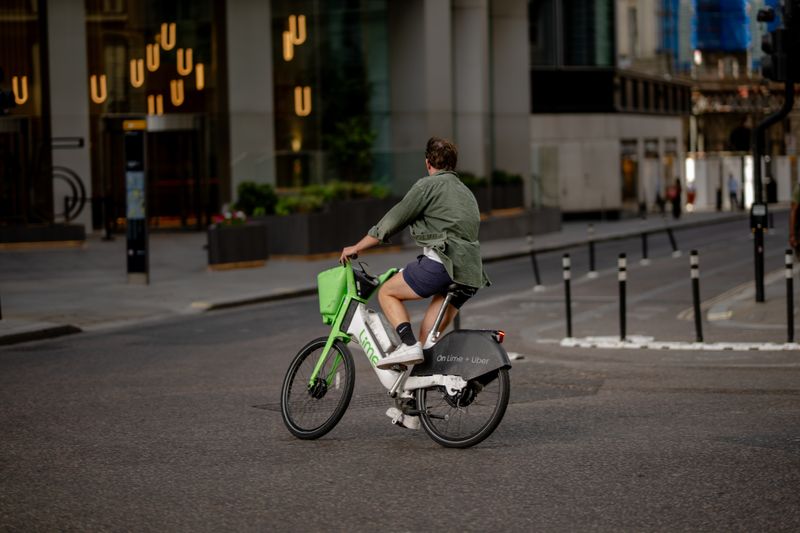
This works through pedal assist sensors in the order the parts actually depend on each other.
The short version
- A cadence sensor detects that you are pedalling, not how hard.
- A torque sensor measures pedal force and scales assistance to it.
- Sensor type affects starting, stopping and how natural the bike feels.
Two different questions being asked
A cadence sensor answers a yes or no question: are the pedals turning, and if so, apply the assistance level currently selected. A torque sensor answers a how much question, measuring the force you apply and delivering assistance proportional to that effort. Both systems can drive the same motor to the same peak power, so specification sheets often make them look equivalent.
In use they produce entirely different machines, one that responds to a switch and one that responds to your legs. This is the difference riders notice within thirty seconds of a test ride and struggle to describe afterwards.
How a cadence system behaves
Because the sensor only detects rotation, there is a short delay between starting to pedal and the motor deciding you are genuinely pedalling. That delay is followed by assistance arriving at the selected level regardless of whether you were pushing hard or spinning the pedals loosely. The result is a surge from a standstill, which some riders enjoy and others find disconcerting in traffic.
There is a similar lag when you stop pedalling, since the system waits for confirmation before cutting power. Neither behaviour is dangerous on a well-set-up bike, but both are worth knowing about before your first junction.
How a torque system behaves
Assistance rises and falls with your pedal pressure, so pushing harder produces more help and easing off reduces it immediately. This makes the bike feel like a bicycle with unusually strong legs rather than a machine with a separate power source. Response is close to instant in both directions, which makes low-speed manoeuvring and stopping more predictable.
In the saddle, it also means the rider can no longer coast their way to full assistance, so a torque bike rewards actually pedalling. Most riders who have used both describe the torque system as more natural, and it usually costs more.
Consequences for range
A cadence system delivers whatever the assist level says, which means it may be supplying power at moments you did not need any. A torque system scales with effort, so a gentle stretch of flat road automatically draws less from the battery.
Come the wet months, that tends to give torque-sensing bikes better real-world range at the same nominal assist level, though the difference varies with riding style. It also gives the rider finer control over energy use, since backing off slightly has an immediate effect.
Any range comparison between bikes with different sensor types is measuring two things at once.
Speed sensors and the third variable
Nearly all systems also measure wheel speed, which is used to taper or cut assistance as the legal or configured limit approaches. How gracefully a system tapers is a design decision, and an abrupt cut-off at the limit feels like riding into a headwind.
Some bikes combine a cadence sensor with a speed sensor and a torque estimate derived from motor current, which sits between the two approaches. Manufacturers describe these hybrid arrangements in inconsistent language, so the only reliable test is riding the bike. Assisted speed limits differ substantially between countries and vehicle classes, so check what applies where you ride rather than assuming.
Range and charging figures are quoted under conditions nobody commutes in.
What to look for on a test ride
Start from a standstill on a slight uphill and notice how long the delay is and how sharply the power arrives. Stop pedalling suddenly at moderate speed and count how long assistance continues, which tells you what will happen at a junction. Ride slowly through a tight turn and see whether the bike surges when you resume pedalling mid-corner.
In the saddle, try the lowest assist level, because that is where the difference between the two systems is most obvious. If a shop will only let you ride the highest setting on flat ground, you are being shown the motor rather than the bike.
The takeaway
The sensor decides how the bike feels; the motor only decides how strong it is.
Most of riding well is being boring and predictable to everyone else on the road.
Questions readers ask
Is a torque sensor worth paying more for?
For most riders in traffic, yes, because the response is immediate in both directions and low-speed control is more predictable. On a flat, quiet route the difference matters less.
Why does my e-bike surge when I start pedalling?
That is characteristic of a cadence sensor, which detects that the pedals are turning and then applies the selected assist level regardless of how hard you are pushing.