Scooters & E-Mobility
Shared Fleet Machines Are Built for a Life Private Ones Never Have
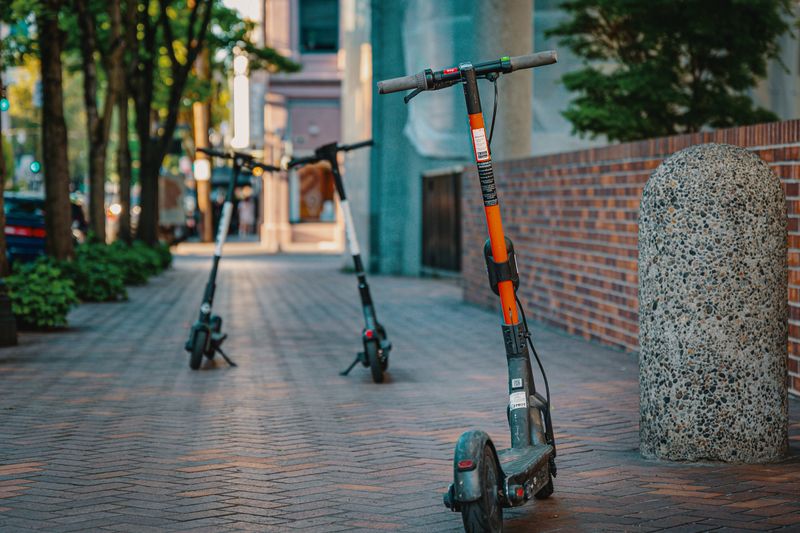
Rental scooters are engineered around theft, abuse and outdoor storage rather than around ride quality, which explains almost every difference from a privately owned machine.

Riders who own a scooter often find rental machines heavy and crude. The differences are deliberate and follow from a completely different set of requirements.
Every part is chosen to resist removal
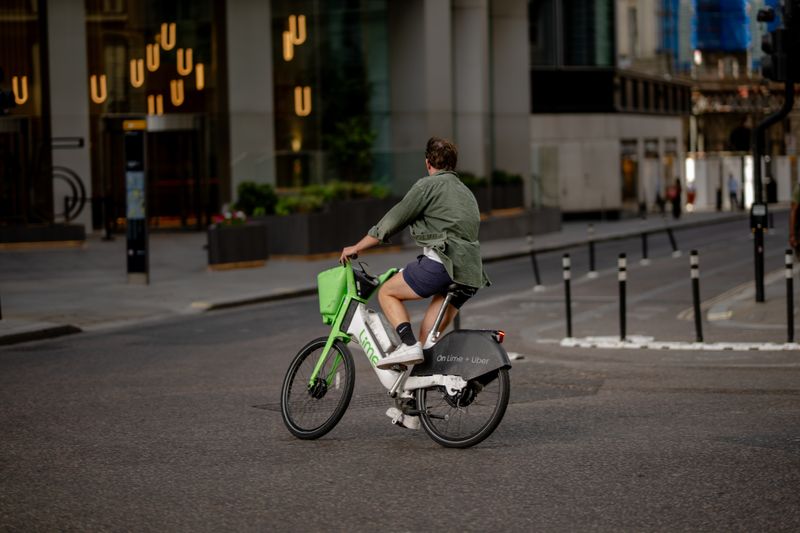
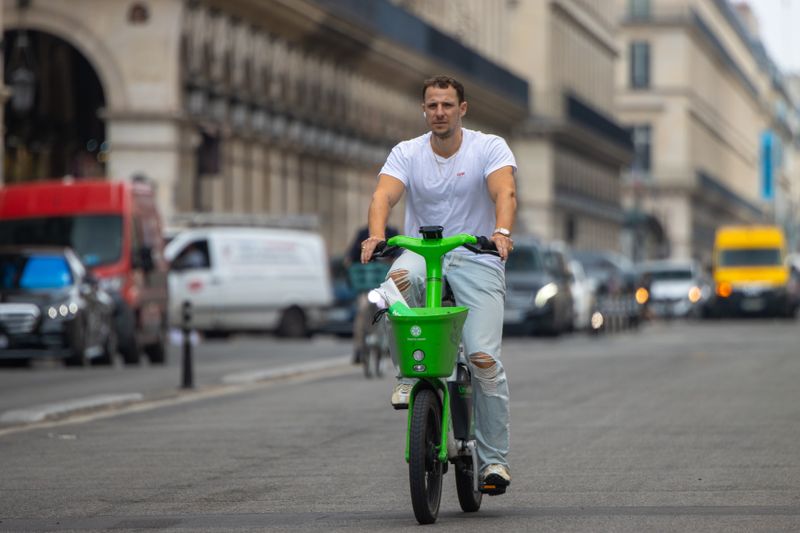
A privately owned scooter is stored indoors and rarely left unattended. A fleet machine spends its whole life on a public street.
Fasteners are therefore proprietary or welded, batteries are sealed into the frame, and components that could be sold separately are made difficult to detach.
This adds weight and removes serviceability at the roadside. Both are accepted because the alternative is losing machines rather than repairing them.
Loads are set by misuse, not by normal riding
Fleet machines are ridden by people with no stake in their condition. They get dropped, kerbed, ridden two-up and left lying in the road.
Designing for that means thicker tubing, stronger stems and heavier wheels. The resulting machine is over-engineered for any individual rider and appropriately built for the population.
It also means conservative software. Acceleration and top speed are limited well below the hardware's capability, because the rider may be riding for the first time.
Outdoor storage drives the sealing requirements
A machine parked outside permanently sits through rain, frost and heat. Water ingress is not a risk to be minimised but a certainty to be designed around.
Connectors are sealed, electronics are potted and the battery compartment is closed rather than removable. Serviceability is traded for weather resistance.
The consequence is that repairs happen in a depot rather than on the street. Machines are collected, swapped and returned, which suits an operator and would not suit an owner.
Telemetry changes what the machine is
Fleet scooters carry positioning hardware, a mobile data connection and their own power supply for it. None of this contributes to riding.
It allows geofenced speed limits, parking enforcement and remote immobilisation. These are operational requirements imposed by cities as a condition of operating.
The hardware adds cost and weight and consumes energy continuously, including when parked. Fleet range figures are therefore not comparable to private machine figures.
The economics reward durability over experience
An operator's cost per trip falls as machine life rises. A heavier scooter that survives two years earns far more than a lighter one that survives six months.
Ride quality affects that calculation only through rider retention, which is a weaker signal than maintenance cost. The optimisation therefore lands on robustness.
Early fleet generations that used lightly modified consumer machines demonstrated the point clearly. They wore out fast, and the industry redesigned around the conditions rather than the rider.
Questions readers ask
Why do my e-bike brakes fade on long hills?
Continuous braking heats pads and rotors until friction drops. Brake firmly in intervals rather than dragging, and consider larger rotors if it happens routinely on your route.
Do I need hydraulic brakes on an e-bike?
Not always, but they give more power for less hand effort, which matters on a heavier machine. For loads, hills or high average speeds they are the sensible choice.