Scooters & E-Mobility
Speed Limiters, Firmware and Who Sets the Ceiling
The top speed of an electric scooter is a software decision made in the controller, which is why identical hardware performs differently in different markets.

Two electric scooters with the same motor and the same battery can have very different top speeds. The difference is written in firmware rather than built into the hardware.
The controller decides what the motor receives
A motor does not have a fixed speed. It responds to the voltage and current the controller supplies, and the controller is following software instructions.
Limiting speed is therefore a matter of the controller reducing power once a threshold is detected. The hardware remains capable of more.
This is why performance can be changed without touching a single component. It is also why the same machine model can be sold into markets with different legal limits.
Speed is measured indirectly
Most controllers infer speed from motor rotation rather than from the road. The conversion depends on an assumed wheel diameter stored in the firmware.
Fitting a different tyre size therefore changes both the displayed speed and the point at which the limiter acts. The error is proportional and can be significant.
It also means the limiter is only as accurate as that assumption. A worn tyre is smaller than a new one, which shifts the effective ceiling slightly.
Regional variants are configuration, not design
Manufacturers produce one hardware platform and configure it per market, because separate production runs would be far more expensive.
The configuration is usually selected at first setup or by a regional firmware image. Some machines expose it as a menu option, which creates obvious ambiguity.
From an enforcement perspective the machine's compliance depends on a setting that can be changed. This is the central difficulty regulators have with the category.
Modification carries consequences beyond legality
Raising the limit increases current draw, which heats the motor, the controller and the battery. Those components were specified for the original operating envelope.
Braking is the more serious concern. A machine's brakes, tyres and frame were designed around a stopping distance calculated at the original speed.
Insurance and warranty positions typically treat modified machines differently, and rules on where such a machine may be ridden vary by jurisdiction and change over time.
Geofencing extends the same mechanism outward
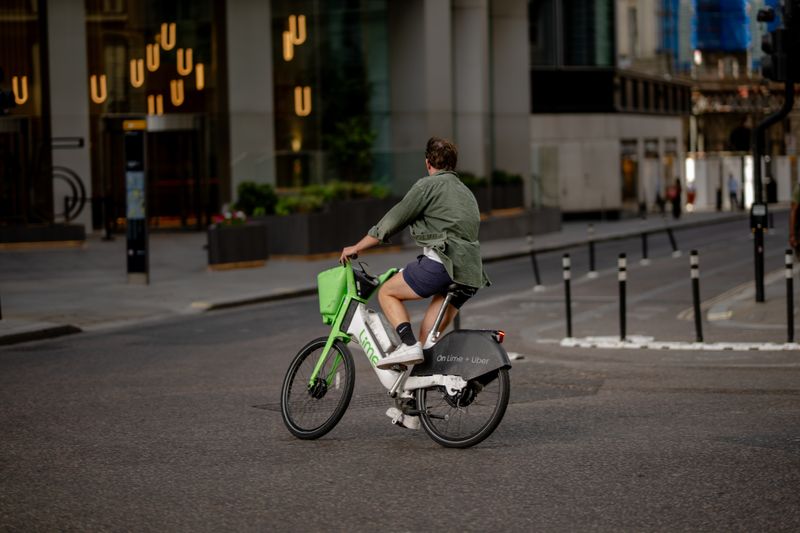
Fleet machines take the principle further, adjusting the limit according to position. Entering a designated area causes the controller to reduce the ceiling automatically.
The mechanism depends on positioning accuracy, which is poor among tall buildings. Riders experience abrupt slowdowns in places that appear unrestricted.
It nonetheless demonstrates what software control makes possible. The speed of a vehicle has become a parameter set remotely rather than a property of the machine.
Questions readers ask
Why do my e-bike brakes fade on long hills?
Continuous braking heats pads and rotors until friction drops. Brake firmly in intervals rather than dragging, and consider larger rotors if it happens routinely on your route.
Do I need hydraulic brakes on an e-bike?
Not always, but they give more power for less hand effort, which matters on a heavier machine. For loads, hills or high average speeds they are the sensible choice.