Scooters & E-Mobility
Two Wheels in Line Steer Nothing Like Three
Three-wheeled small vehicles cannot lean the way two-wheelers do, which changes cornering, stability and the skills a rider needs from the first metre.

Three-wheeled scooters and cargo machines look like a more stable version of a two-wheeler. They handle according to entirely different principles.
A two-wheeler corners by leaning
To turn, a bicycle or scooter leans inward so that the combination of gravity and cornering force passes through the tyre contact points.
The rider initiates this by steering briefly the other way, which moves the contact patches out from under the centre of mass. This happens without conscious thought.
The result is a machine that is self-balancing while moving and unstable when stopped. Every rider has internalised this and applies it automatically.
A rigid three-wheeler resists leaning entirely
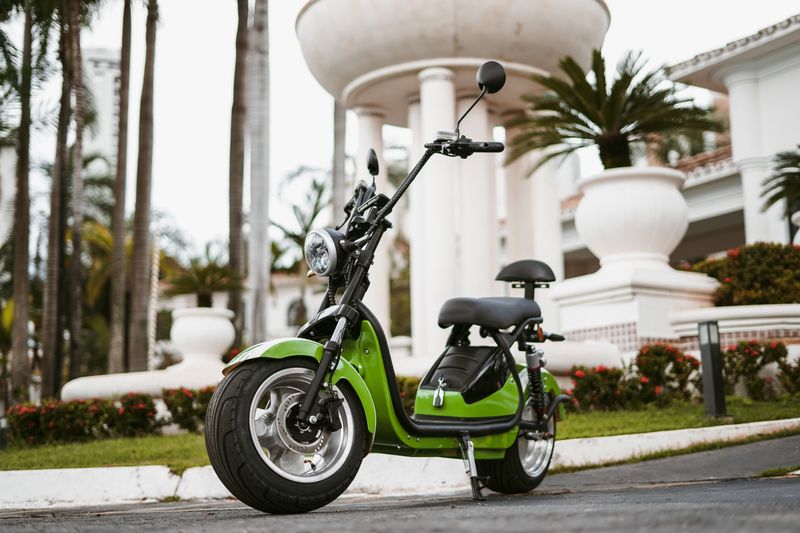
With three contact points on the ground, the machine is stable standing still and cannot lean without lifting a wheel. Cornering force must be resisted by the track width instead.
The rider's instinct to lean inward now works against the machine, shifting weight toward the inside wheel and reducing load on the outside one that is doing the work.
Correct technique is to lean outward, as on a quad or a boat. It is counter-intuitive for anyone arriving from two wheels and takes deliberate practice.
Tipping replaces sliding as the limit
A two-wheeler at its cornering limit slides, which is recoverable and gives warning through the tyres. A tall three-wheeler reaches its tipping point before its grip limit.
Tipping gives little warning and is not recoverable once begun. This is why three-wheelers built for speed are wide and low.
Cargo versions carrying load high above the axle are the most vulnerable, because raising the load raises the centre of mass and lowers the tipping threshold.
Leaning trikes exist and behave differently again
Some cargo bikes and scooters use a linkage allowing the wheels to tilt together with the frame. These lean like a two-wheeler while keeping three contact points.
The mechanism adds weight, cost and maintenance, and it introduces a locking function for parking. It also restores the intuitive handling riders already have.
Whether a given machine leans is the single most useful thing to establish before riding it. The two types share almost nothing in how they must be ridden.
Surface camber becomes a constant input
Roads are built with a crossfall to shed water. A leaning machine simply leans slightly and continues.
A rigid three-wheeler sits at whatever angle the surface dictates, and its effective tipping margin changes as the camber does. Riders feel the machine pulling toward the gutter.
On cambered cycle paths this is persistent rather than occasional. It is one of the more common complaints from riders who move to a rigid three-wheeled machine.
Questions readers ask
Why do my e-bike brakes fade on long hills?
Continuous braking heats pads and rotors until friction drops. Brake firmly in intervals rather than dragging, and consider larger rotors if it happens routinely on your route.
Do I need hydraulic brakes on an e-bike?
Not always, but they give more power for less hand effort, which matters on a heavier machine. For loads, hills or high average speeds they are the sensible choice.