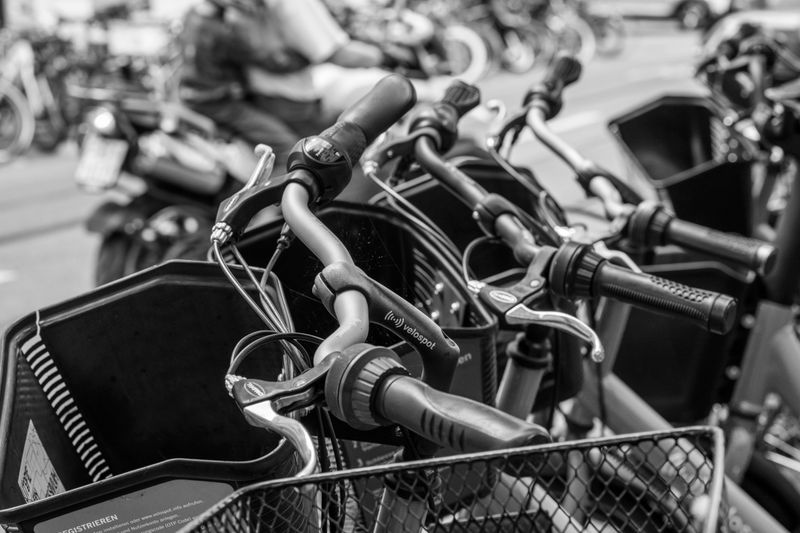
Cycling
Handlebar Width and Shape Change Where Your Weight Sits
Bars are the only contact point that steers. Change their width, height or sweep and you move load between your hands and your saddle.
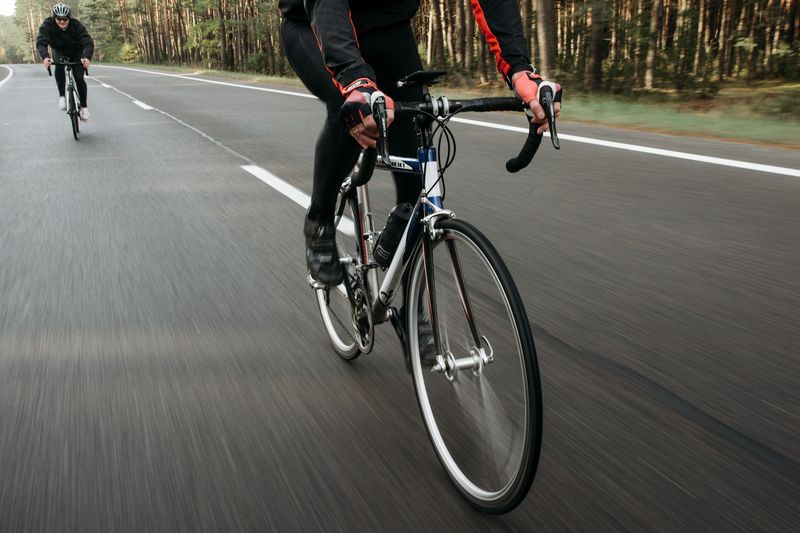
What follows is an argument about handlebar geometry, and about where the received version of it stops being true.
The argument in brief
- Bar height sets how much body weight rests on your hands.
- Width changes leverage over the front wheel and how much you fill a gap.
- Sweep decides whether your wrists are straight or twisted.
The bar is a lever and a shelf
A handlebar does two unrelated jobs at once, giving you leverage over the front wheel and providing somewhere for part of your upper body weight to rest. Change its position and both jobs change together, which is why a bar swap that fixes one complaint often creates a different one. How much weight lands on your hands depends mostly on the difference in height between the saddle and the grips, plus how far forward you have to reach.
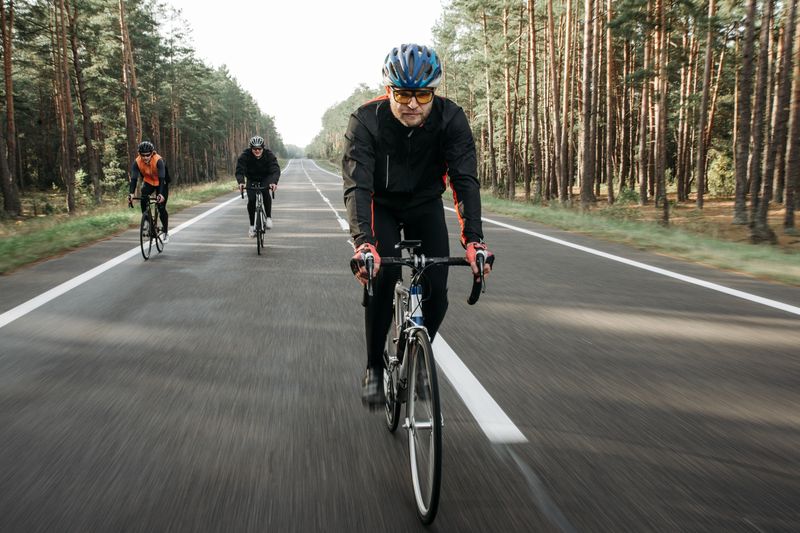
A bar level with or above the saddle keeps the torso upright and sends most body weight into the saddle and the pedals instead. A bar well below the saddle rotates you forward, reduces frontal area against the wind, and transfers a substantial share of your weight onto your palms.
Width, leverage and gaps
A wider bar gives more mechanical leverage over the front wheel, which makes slow-speed steering corrections easier and steadier when the bike is loaded. That same leverage makes the steering feel less twitchy at low speed, which is one reason cargo and utility machines run generous widths. Wide bars also open the chest and set the shoulders in a position most riders find comfortable for upright transport riding.
With a loaded rack, the cost is that the bar becomes the widest part of the bicycle, and in dense traffic the gap you can pass through is the gap your bars fit through. Riders who filter regularly usually converge on something narrower than is theoretically comfortable, because the practical width of the machine matters more.
Sweep, rotation and the wrist
A straight bar puts your palms facing directly downwards, which twists the forearm bones across each other and holds the wrist at an angle it does not like. Swept-back bars rotate the grips towards the rider so the hands sit at a more natural angle, closer to how they hang when you stand still.
Mid-traffic, the amount of sweep interacts with reach, because pulling the grips backwards also shortens the effective distance from saddle to hand. Rotating an existing bar within its clamp is free and changes grip angle noticeably, and it is the first adjustment worth trying before buying anything. Persistent numbness, tingling or pain in the hands is a signal to change something and, if it does not resolve, to talk to a clinician rather than push through.
Height, stem and what actually moves
Bar height is usually adjusted at the stem, either by moving spacers on a threadless steerer or by raising a quill stem inside the fork column. Both have hard limits, because a steerer tube can only be so long and a quill stem has a minimum insertion mark that must stay buried. Exceeding that insertion mark leaves the stem clamped by very little material at a joint that carries steering and braking loads directly.
That is a safety-critical assembly, so if you cannot reach the height you want within the marked limits, the fix is a different stem fitted by a qualified mechanic.
Stem length changes reach without changing height, and a shorter stem also quickens the steering response, so the two effects arrive together.
Why more than one hand position helps
Holding a single grip position for an hour loads the same nerves and tendons continuously, and discomfort builds from duration rather than intensity. Bars that offer several distinct places to hold let you move between them, which redistributes pressure across different parts of the palm. Drop bars, butterfly bars and bar ends all exist for this reason rather than for aerodynamics, whatever their reputation suggests.
In the saddle, on a short urban commute the benefit is small, because you are braking and steering constantly and your hands move anyway. On anything over an hour the ability to change position tends to matter more to comfort than the specific shape you started with.
Frames, sizes and riding positions vary enormously; borrow before you buy wherever you can.
Changing one variable at a time
Bar width, height, sweep, stem length and saddle position all interact, so altering several at once leaves you unable to tell which one helped. Move one thing, ride the same route for a week, and pay attention to where the discomfort went rather than whether the bike felt different. Discomfort that moves from the hands to the lower back usually means weight shifted backwards further than intended.
Numbness in specific fingers points to pressure on a particular nerve path in the palm, which grip angle and glove padding both affect. Small changes are worth more than large ones here, because a few millimetres at the bar becomes a noticeable change in how your body is arranged.
The takeaway
Before spending anything on comfort, rotate the bar you already have and see where the pressure goes.
The bike you ride daily beats the better bike you keep indoors.
Questions readers ask
Are narrow handlebars faster?
They reduce frontal area slightly and let you fit through smaller gaps, but they also cut your leverage over the front wheel, which matters more on a loaded bike. For transport riding, control usually wins over the aerodynamic difference.
Can I just cut my handlebars down?
Cutting is irreversible and some bars have a marked minimum width outside which the clamping area for controls disappears. If you are unsure, have a mechanic do it, and check the bar is not carbon before touching it with a saw.