Cycling
A Heavy Bike You Ride Beats a Light One You Do Not
Weight obsession is imported from racing, where the rules are different. For getting to work, the machine that leaves the house wins every time.
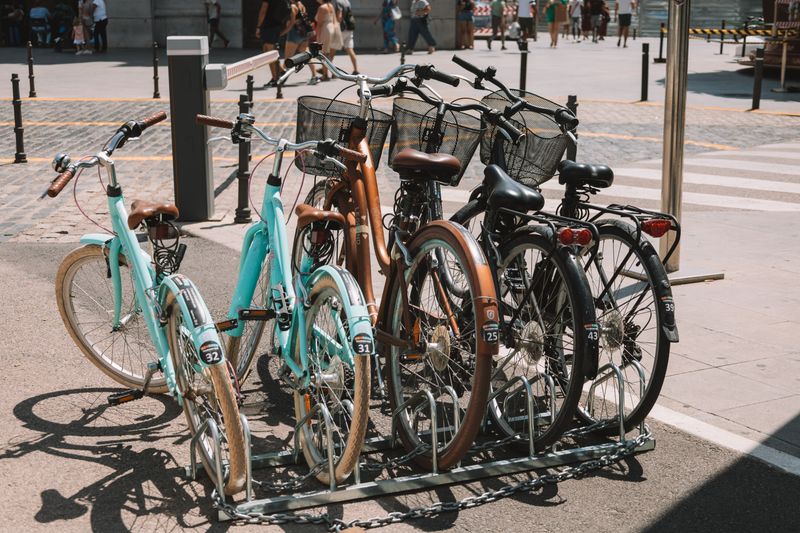
This looks at bicycle weight from the practical end — what holds up once conditions stop being ideal.
What holds up in practice
- Weight matters most when climbing and least on the flat.
- Rider and luggage usually outweigh the frame several times over.
- Practical fittings cost weight and save more time than they cost.
Where weight actually costs you
Lifting mass against gravity takes energy, so weight matters on a climb in direct proportion to how much you are lifting and how high. On level ground at commuting speeds the dominant resistances are air drag and rolling resistance, neither of which changes much with a kilogram of frame. Weight also costs energy at every acceleration, which is why it feels more noticeable in stop-start city traffic than the flat-road physics suggests.
That acceleration penalty is real but modest against the total mass in motion, which includes you, your clothes, your lock and your lunch. A rider of seventy kilograms carrying five kilograms of bag is moving far more mass than the difference between two bike frames.
What the racing argument leaves out
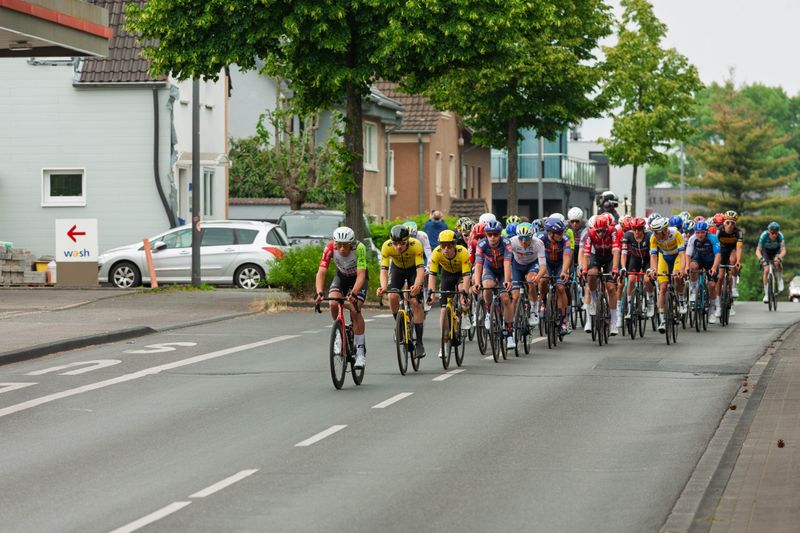
Racing weight limits exist because at the front of a race the differences between competitors are small enough for a kilogram to matter. Nothing about that situation resembles a commute, where you stop at lights, carry a laptop and ride at a pace you can sustain in work clothes.
Mid-traffic, race bikes also shed weight by removing exactly the parts a commuter needs, including mudguards, racks, lights, stands and robust tyres. Each of those omissions transfers a job to the rider, who then carries the load on their back and arrives wetter. The lightest bike in a shop is usually the least suitable one for riding to work in February.
The fittings worth their weight
Mudguards weigh very little and keep road spray off you and out of your drivetrain, extending the life of both your clothes and your chain. A rear rack lets luggage sit on the bike rather than on your spine, which changes how much you sweat more than any fabric does. Dynamo lighting adds weight at the hub and removes the recurring problem of a light with a flat battery on a dark evening.
A kickstand is mocked constantly and is genuinely useful when you park somewhere with nothing to lean against. Together these might add a few kilograms and remove most of the friction that stops people riding regularly.
Durability has a weight
Stronger wheels use more spokes and heavier rims, and they survive potholes that would knock a light wheel out of true. Thicker tyre casings with puncture protection belts weigh more and roll slightly slower, and they also stop most of the glass on a city street.
Sealed bearings, thicker paint and steel components all add grams and all reduce the number of evenings you spend fixing things. For a bike ridden through winter, the maintenance saving is worth far more than the speed lost to the extra mass.
This is the trade that determines whether a bike is still working in five years or has quietly become a hall ornament.
Where light bikes genuinely help
If you carry your bike up stairs to a flat every day, weight stops being about riding and starts being about your back. Riders lifting a bike onto a train hook, into a car boot, or over a barrier feel every kilogram at the moment of lifting.
Folding bikes are bought largely on this logic, and their weight is a legitimate purchase criterion for exactly that reason. Steep, sustained climbs on a daily route also make weight matter, since a hilly commute is closer to the racing case than a flat one. Outside those situations, spending significantly more money for a small weight saving buys very little useful improvement.
What to buy instead
The same money spent on better wheels, decent tyres, working brakes and a fitted rack changes how the bike rides far more than weight does. A bike that is comfortable is a bike you ride, and comfort comes from position, tyre volume and contact points rather than from frame mass.
Mid-traffic, servicing budget is the least glamorous purchase and reliably the best value, since most bikes are abandoned over faults rather than speed. If a bike is heavy because it is badly made, that is a problem, but heavy because it is equipped is not. Judge a transport bike by whether you would happily ride it home in the rain at night, not by lifting it with one finger.
The takeaway
The right weight is whatever comes with the equipment that gets you out of the door.
Most of riding well is being boring and predictable to everyone else on the road.
Questions readers ask
Is a lighter bike faster?
On climbs and accelerations, slightly. On flat ground at commuting speed, air drag dominates and a kilogram of frame is close to irrelevant.
Should I remove the rack to save weight?
Only if you never carry anything. Moving a bag off your back onto the bike improves comfort and sweat far more than the rack's weight costs you.