Cycling
Why Your Hands Go Numb and What to Change First
Numb fingers on a bike are almost always a load and angle problem rather than a padding problem. Gloves are the last thing to change, not the first.

The points below about hand numbness are ordered by how much difference they make, not by how often they get repeated.
What matters most
- Numbness usually follows nerve compression at the palm or wrist.
- Too much body weight on the hands is the most common cause.
- Persistent or worsening numbness needs medical assessment.
What is being compressed
Two nerves pass through the wrist and hand close enough to the surface that sustained pressure on the palm can compress them. The ulnar nerve runs through the outer edge of the palm, and compression there typically produces numbness in the little and ring fingers.
The median nerve passes through the carpal tunnel at the base of the palm, and compression there affects the thumb side of the hand. Which fingers go numb therefore tells you roughly where the pressure is landing, which is a useful diagnostic before touching anything on the bike. Pins and needles that clear within minutes of stopping is the common cycling pattern, and it is a warning rather than an injury.
Weight distribution is the usual cause
Any weight not supported by your saddle and pedals is supported by your hands, and the hands are poorly designed for the job. A position that is too stretched forward puts more of your upper body mass onto the bars, especially if your core tires late in a ride.
A saddle tilted nose-down slides you forward continuously, so you brace against the bars to stay in place without noticing you are doing it. Shortening the reach with a shorter stem, or raising the bars, transfers weight back onto the saddle where it belongs. This is why the first thing to check is saddle angle and bar height rather than which gloves to buy.
Wrist angle and grip shape
A bent-back wrist narrows the carpal tunnel, so a bar or grip that forces extension increases compression at any given load. Aim for a roughly straight line from forearm through the back of the hand, which usually means rotating the bars or grips a little.
By the second week of riding, round grips concentrate pressure on a small area of the palm, while wider ergonomic grips spread the same load over more tissue. The width of the bar matters too, since bars much wider than your shoulders rotate the wrists outward and add strain. Small rotations of the bar in the stem clamp can change hand comfort dramatically and cost nothing to try.
Changing position while you ride
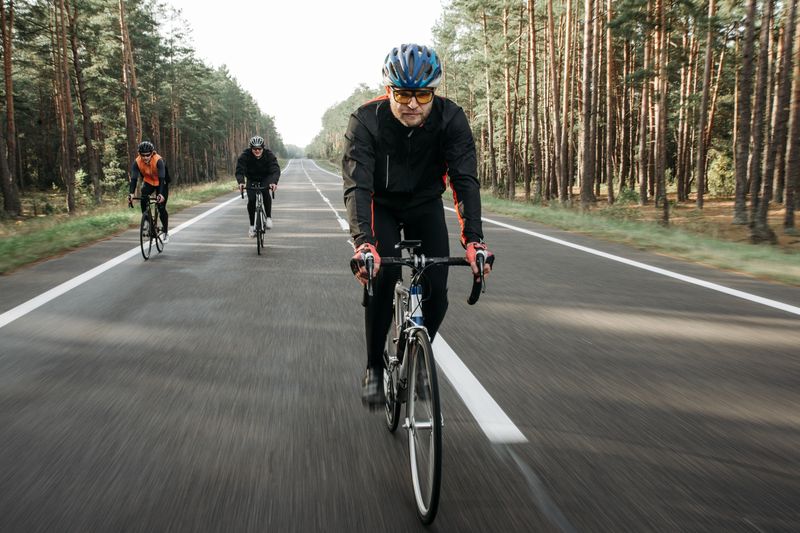
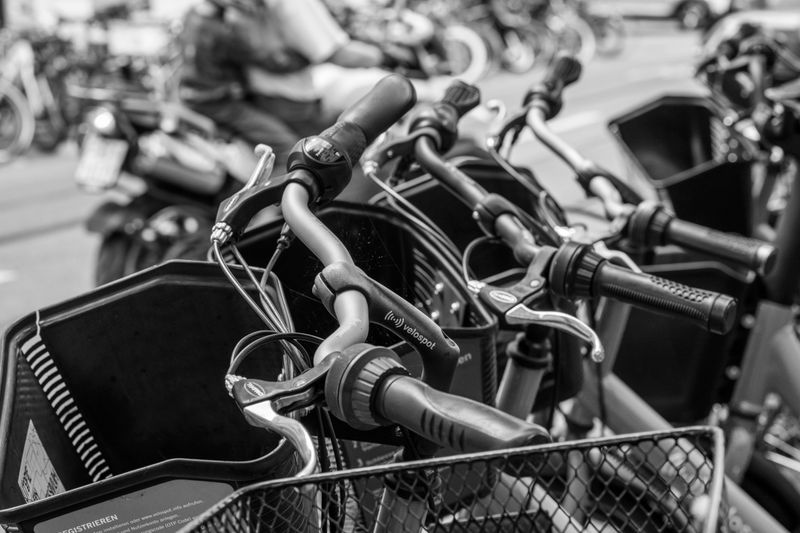
Nerve compression depends on how long pressure is applied as much as how hard, so moving your hands regularly prevents most of it. Flat bars offer only one hand position, which is a real drawback on rides longer than about half an hour. Bar ends, swept-back bars or drop bars give two or more distinct positions, letting you unload one part of the palm by using another.
Mid-traffic, consciously shaking out each hand every few minutes on a longer ride is crude and effective. Riding with slightly bent elbows also lets the arms act as suspension instead of transmitting road shock straight to the palms.
Vibration and where to damp it
Road buzz travelling up through the fork reaches the hands continuously, and constant vibration contributes to numbness independently of static pressure. The largest available damper is the front tyre, so a wider tyre at a sensible pressure reduces hand vibration more than any padding.
The bit that actually matters: bar tape or thicker grips help, though very thick padding can force a wider grip that strains the hand in a different way. Gloves with gel pads work for some riders and make it worse for others, since a pad in the wrong place concentrates pressure rather than spreading it. Try tyre pressure first because it is free, reversible and takes two minutes.
Range and charging figures are quoted under conditions nobody commutes in.
When to stop guessing
Numbness that persists for hours after a ride, or that appears when you are not riding, is not a bike fit issue to solve with a stem. Ongoing nerve symptoms can indicate conditions unrelated to cycling, and they are worth assessing before you spend months adjusting components. Any weakness in the hand, loss of grip strength or muscle wasting is a reason to see a doctor promptly rather than a physiotherapist eventually.
Cyclists do get nerve compression injuries from prolonged riding, and they usually resolve with rest and position changes when caught early. Ignoring them and adding padding is the approach most likely to turn a nuisance into something slower to recover from.
Everything above, in order of what to do first
- What is being compressed. Two nerves pass through the wrist and hand close enough to the surface that sustained pressure on the palm can compress them.
- Weight distribution is the usual cause. Any weight not supported by your saddle and pedals is supported by your hands, and the hands are poorly designed for the job.
- Wrist angle and grip shape. A bent-back wrist narrows the carpal tunnel, so a bar or grip that forces extension increases compression at any given load.
- Changing position while you ride. Nerve compression depends on how long pressure is applied as much as how hard, so moving your hands regularly prevents most of it.
- Vibration and where to damp it. Road buzz travelling up through the fork reaches the hands continuously, and constant vibration contributes to numbness independently of static pressure.
- When to stop guessing. Numbness that persists for hours after a ride, or that appears when you are not riding, is not a bike fit issue to solve with a stem.
The takeaway
Move weight off your hands first, change the grip angle second, and buy padding last.
Most of riding well is being boring and predictable to everyone else on the road.
Questions readers ask
Will padded gloves fix numbness?
Sometimes, but they treat the symptom. If too much weight is on your hands, the load is still there and a pad simply spreads it slightly.
Which fingers go numb tells me what?
Little and ring finger numbness points to pressure on the outer palm, and thumb-side numbness points to the base of the palm. It helps you decide where to move the load away from.