Cycling
Why a New Rider Gets Faster Without Getting Fitter
Early speed gains on a bike come mostly from skill, position and pacing rather than fitness, which is why improvement arrives faster than any training effect could.

New riders often gain noticeable speed within a few weeks, well before physiological adaptation could account for it. Most of that early gain is skill removing waste rather than fitness adding output.
Aerodynamic drag dominates at ordinary speeds
Above a modest pace, the majority of a rider's effort goes into pushing air aside, and that resistance rises steeply with speed.
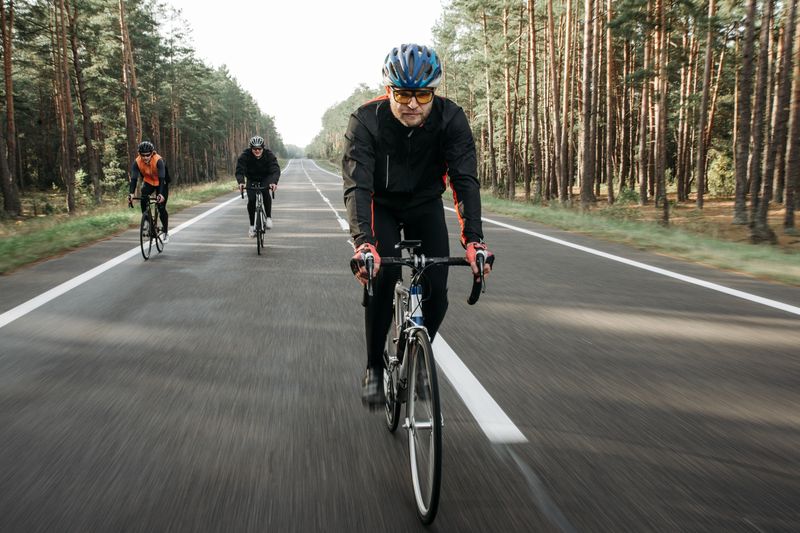
The rider's body is the largest part of the frontal area, so small changes in posture change drag more than equipment changes usually do.
A new rider who gradually stops sitting bolt upright reduces frontal area substantially, which shows up as speed at the same effort.
Gear selection stops wasting effort
Inexperienced riders tend to leave the drivetrain in one gear and adjust with force, which puts them off their comfortable cadence for most of a ride.
Learning to anticipate a hill and shift before the gradient arrives keeps cadence in a narrow band and avoids the stall-and-recover cycle.
Each recovery from a near-stop costs a disproportionate amount of energy, so removing them improves average speed without raising sustained output.
Pacing errors are expensive
A rider who accelerates hard away from every light and then coasts spends far more energy than one who holds a steadier output.
The physics is unforgiving here: energy required rises sharply with speed, so surging costs more than the equivalent steady effort returns.
Learning to hold a consistent pace and let the bike carry momentum through junctions is one of the largest available gains for a beginner.
Cornering and braking preserve speed
Nervous riders brake early, brake through the turn, and exit slowly, then rebuild speed on the straight. Every repetition of that costs energy.
Braking before the turn and releasing at the entry allows the rider to carry more of the approach speed through, which removes much of the rebuilding.
On a winding route with frequent stops, this alone can account for a large share of the difference between two riders of similar fitness.
Fitness arrives later and behaves differently
Cardiovascular and muscular adaptations do occur, but they build over weeks and months and produce a slower, steadier improvement curve.
The early jump plateaus once the obvious inefficiencies are gone, which is why many riders feel they stop improving after the first month or two.
Recognizing which mechanism is operating helps set expectations, and anyone starting exercise after a long gap or with a medical history has good reason to talk with a clinician first.
Questions readers ask
Is a lighter bike faster?
On climbs and accelerations, slightly. On flat ground at commuting speed, air drag dominates and a kilogram of frame is close to irrelevant.
Should I remove the rack to save weight?
Only if you never carry anything. Moving a bag off your back onto the bike improves comfort and sweat far more than the rack's weight costs you.