The Commute
Carrying a Laptop by Bike Without Destroying It
Road vibration and a hard landing are different threats and need different answers. Most damage happens at the moment the bag is put down, not while riding.
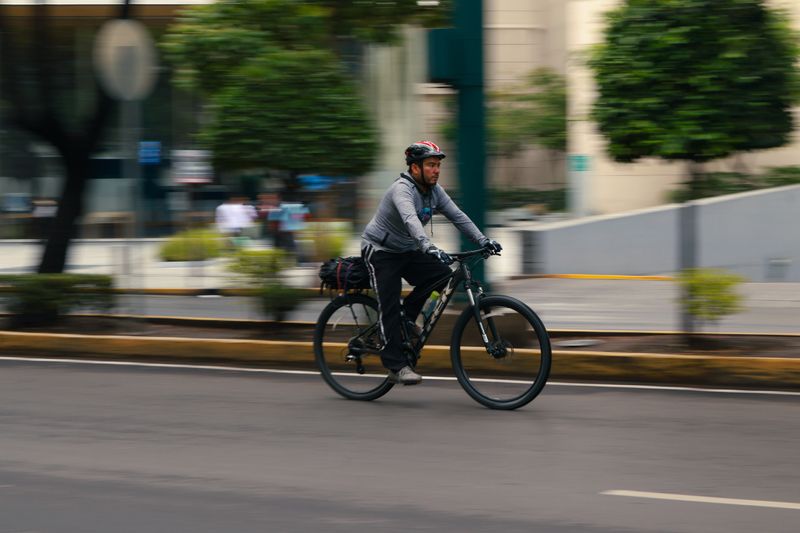
This looks at carrying electronics by bike from the practical end — what holds up once conditions stop being ideal.
What holds up in practice
- Vibration is continuous; impact is sudden and does most damage.
- A padded sleeve inside a rigid pannier handles both.
- Nothing should be able to move inside the bag.
Two different kinds of damage
Continuous vibration from road surfaces works fasteners loose, wears connectors and can eventually affect solder joints in a device. Impact damage is sudden and comes from dropping the bag, a pannier detaching, or the bike falling over while parked.
Modern laptops with solid-state storage are far more tolerant of vibration than older machines with spinning drives. They remain vulnerable to screen cracking and case flexing, which are impact problems rather than vibration ones. So the sensible protection strategy separates cushioning from vibration and rigidity against impact.
Where the load should ride
A pannier on a rear rack keeps the weight low and lets the tyre and frame absorb some of the road input before it reaches the bag. A rucksack is actually good at damping vibration, because your body acts as suspension, but it puts the device against your spine in a fall. A bar bag exposes the contents to the most direct vibration from the front wheel and to the most disturbance of your steering.
For most riders a rear pannier with a padded sleeve inside is the best combination of protection and comfort. Whatever you choose, the load should be firmly attached rather than swinging, since a moving bag is a repeated impact.
Packing so nothing moves
A device that can slide inside a bag will slide, and the edges of the bag are where impact forces are concentrated. Pack so the laptop sits against the padded back of the bag with soft items filling the remaining space.
Keep hard objects such as locks, tools and keys in a separate compartment, since those are what crack screens in a fall. A dedicated padded sleeve is worth having even inside a padded bag, because it covers the corners the bag does not. Fasten the bag properly every time, as most losses happen when a rushed rider skips a clip.
Water is the other threat
Road spray is thrown upwards onto the underside and rear of a pannier, which is where cheap bags leak first. Roll-top closures are more reliable than zips, because a zip is a line of holes even when it has a storm flap. A dry bag or heavy-duty plastic bag inside a non-waterproof pannier is a cheap and effective belt-and-braces approach.
Condensation can form when a cold device is brought into a warm building, so let it acclimatise before switching it on.
Mudguards reduce the amount of water reaching the bag substantially and are worth fitting for this reason alone.
The moment of arrival
Most damage happens when the bag is unclipped and put down, or when it is hung on a hook that gives way. Lowering the bag rather than dropping it is a habit worth building, especially when you are carrying it one-handed with a lock.
A bike falling over with a loaded pannier lands the bag hard against the ground, which is an argument for parking carefully. Locking a bike against a stand that supports it, rather than leaning it against something, prevents most of those falls. Take the pannier with you rather than leaving it on the bike, both for theft and because a loaded bike topples more easily.
What to do about the risk you cannot remove
Back up your work somewhere other than the device you are carrying through traffic on a bicycle. Check whether your home contents or travel insurance covers portable electronics away from the property, since many policies do not by default.
By the second week of riding, employers issuing laptops usually have their own rules about transport, and it is worth knowing them before an incident rather than after. Consider whether you need to carry it at all, since many commuters discover they were transporting a laptop out of habit. The most reliable protection against damage in transit remains not putting the thing in transit.
The takeaway
Padded sleeve, nothing loose, roll-top closure, and put the bag down rather than dropping it.
The bike you ride daily beats the better bike you keep indoors.
Questions readers ask
Is a rucksack or a pannier better for a laptop?
A pannier keeps weight off your back and is generally kinder in a fall, though a rucksack damps vibration better. Either works with a proper padded sleeve and nothing loose inside.
Do I need a waterproof pannier?
It helps, but a dry bag inside an ordinary pannier achieves the same thing cheaply. Roll-top closures leak less than zips regardless of the bag's price.
Also by Sarita Fernandes
- Hub Motors and Mid-Drives Do Genuinely Different JobsScooters & E-Mobility
- Regenerative Braking Gives Back Less Than People ExpectScooters & E-Mobility
- Nominal Watts, Peak Watts and What the Controller DecidesScooters & E-Mobility
- Rain, Puddles and Where Water Gets Into an Electric BikeScooters & E-Mobility