The Commute
Waterproof Jackets and the Boil-in-the-Bag Problem
A fully waterproof garment keeps rain out and keeps your own moisture in. On a bike, that trade-off decides whether you arrive wet from outside or inside.
There is a settled way of talking about waterproof cycling jackets. It is worth asking how much of it survives contact with the detail.
The argument in brief
- Breathable membranes rely on a vapour pressure difference to work.
- High humidity and low effort both reduce how well they perform.
- Mechanical vents move more moisture than any membrane.
How a breathable membrane works
Waterproof breathable fabrics use a membrane with pores or a chemical structure that blocks liquid water while allowing water vapour through. Vapour moves from the warmer, wetter side to the cooler, drier side, so the transfer depends on a difference in vapour pressure across the fabric.
In cold dry conditions that difference is large and the fabric works well, which is where the marketing photographs are taken. In warm, humid or rainy conditions the outside air is already close to saturated, so there is little gradient to drive the transfer. The membrane has not failed in those conditions, it has simply run out of the physical difference it depends on.
Why a cyclist is a hard case
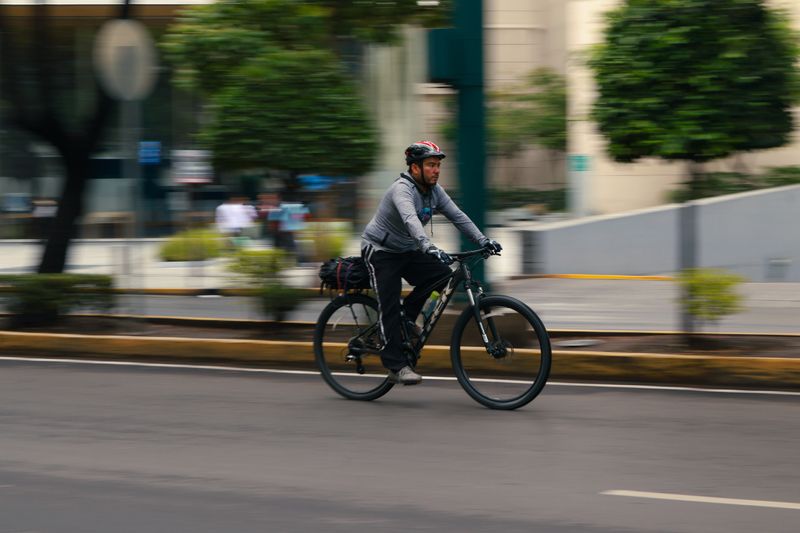
Cycling produces a high sustained rate of sweat, often exceeding what any membrane can move in the same period. The rate matters more than the total, because moisture arriving faster than it can leave condenses on the inside of the fabric.
Rain also wets the outer face, and a saturated outer fabric reduces breathability considerably even when the membrane itself is fine. That is why the durable water repellent treatment on the outside matters, since it keeps the face fabric from wetting out. Those treatments wear off with use and washing, and reproofing restores a noticeable part of the performance.
Ventilation does the heavy lifting
Openings move air and moisture by bulk flow, which transports far more water vapour than diffusion through a membrane ever will. Underarm zips, a front zip that opens from the bottom, a vented back panel and open cuffs all contribute. A jacket you can adjust while riding is worth more than one with a higher laboratory breathability figure and no vents.
The bit that actually matters: riding with the front partly open in light rain is often more comfortable than sealing yourself in completely. This is the single most useful thing to check when buying, and it is rarely the headline feature.
Fit and the water that gets in anyway
A cycling cut is longer at the back and shorter at the front, because a rider is leaning forward rather than standing upright. Sleeves need to reach the wrists with arms extended forward, since a jacket that rides up funnels water into the sleeves. A high collar and a hood that fits under or over a helmet keeps water from running down the neck, which is where most riders get wet.
Loose garments flap at speed, which is noisy, slows you slightly and can catch on the saddle when you get on and off.
Overtrousers matter more than most people expect, because a wet seat and wet thighs are what make a ride genuinely miserable.
Cheaper alternatives that work
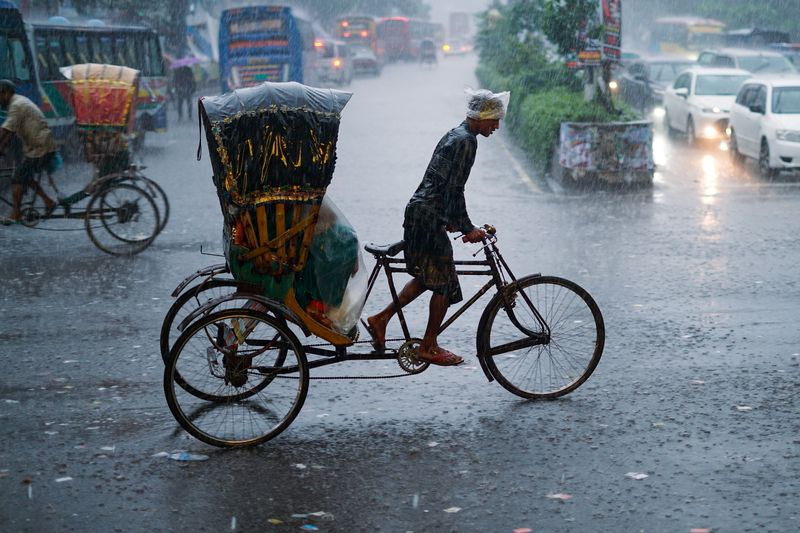
A simple windproof and showerproof jacket is more comfortable than a fully waterproof one for the majority of rides. For short commutes in warm rain, a rider may be better off getting wet and changing on arrival than wearing anything at all. Non-breathable plastic capes are still used in some cycling cultures because they hang loose and ventilate underneath.
In the saddle, the optimum depends on distance, temperature and effort, so different riders reach different answers honestly. Rain gear is one of the areas where price and satisfaction correlate weakly, which is worth knowing before spending.
Looking after what you buy
Waterproof garments need washing, since accumulated dirt, sweat and detergent residue all reduce breathability. Use a cleaner intended for technical fabrics rather than standard detergent, which leaves surfactants that attract water. Reproof the outer face when water stops beading, using a wash-in or spray-on treatment as the garment's instructions specify.
By the second week of riding, some fabrics need gentle heat to reactivate the treatment, which is usually a tumble dryer on low or a cool iron with a cloth. A maintained jacket performs noticeably better than an identical neglected one, which is cheaper than replacing it.
The takeaway
Buy the jacket you can open while riding, keep the outer face repelling water, and accept that some damp is sweat.
Most of riding well is being boring and predictable to everyone else on the road.
Questions readers ask
Why am I wet inside a waterproof jacket?
Almost always condensed sweat rather than rain getting in. Cycling produces moisture faster than a membrane can move it, especially in humid conditions, so ventilation matters more than the fabric rating.
Is an expensive jacket worth it?
Sometimes, but ventilation, cut and a maintained water-repellent finish affect comfort more than headline breathability figures. A cheap jacket with underarm zips often outperforms a costly sealed one.