Cycling
Hub Gears and Derailleurs Solve Different Problems
One is efficient, cheap and exposed. The other is sealed, heavy and shifts while you are standing still. Which is right depends on where the bike lives.
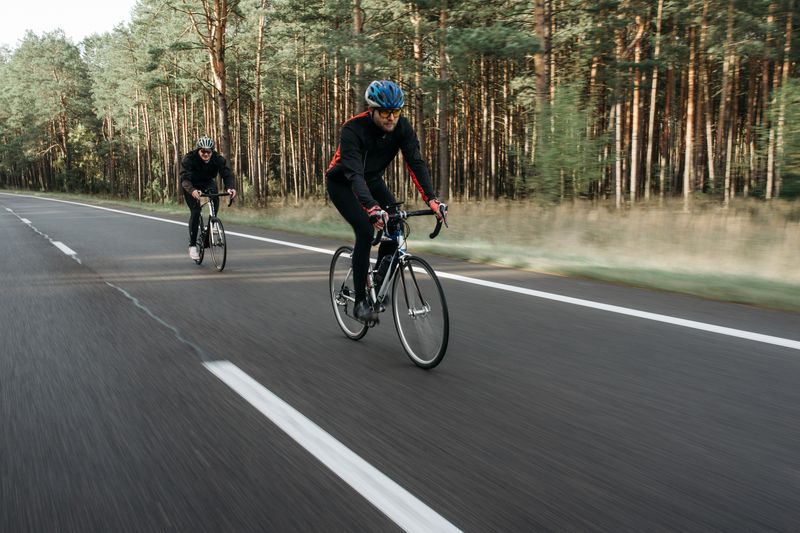
What follows is an argument about gear systems, and about where the received version of it stops being true.
The argument in brief
- Hub gears shift at a standstill and tolerate weather.
- Derailleurs are lighter, cheaper and more efficient but exposed.
- Belt drives are usually possible only with hub or gearbox systems.
How each one changes ratio
A derailleur moves the chain sideways onto a different sprocket, so the ratio changes because the chain is physically riding on new teeth. That requires the chain to be moving, which is why a derailleur cannot change gear while the bike is stationary at a red light.
A hub gear contains an epicyclic gear train inside the rear hub, and shifting engages a different combination of those internal gears. Because the mechanism is internal and the chain never moves sideways, a hub can change ratio while you are standing still. That single difference is the strongest practical argument for hub gears on a bike used in dense stop-start traffic.
Efficiency and where it goes
A clean, well-aligned derailleur drivetrain is among the most efficient mechanical transmissions in general use, losing only a small percentage of input power. Hub gears lose more, because power passes through several meshing internal gears and their bearings, and the loss varies by which gear is selected.
The bit that actually matters: direct-drive gears within a hub are usually the most efficient, and the extremes of the range are typically the worst. A dirty derailleur chain, though, can easily lose more than a clean hub does, so the theoretical advantage evaporates without maintenance. For a commuter who does not clean the bike weekly, the real-world comparison is much closer than the laboratory one.
Weather, dirt and what needs cleaning
Every part of a derailleur system is exposed, so grit lands on the chain, the sprockets, the jockey wheels and the pivots. That means regular cleaning and lubrication, and it means cable and mechanism wear from the same road spray that soaks the rider. Hub gear internals sit in an oil or grease bath inside a sealed shell, so weather reaches only the single chain and sprocket outside.
A hub-geared bike with a chaincase can go remarkably long between attentions, which is why they dominate in countries with wet winters and utility cycling. Hub servicing is less frequent but more specialised, and few home mechanics open one up.
Cost, weight and repairability
Derailleur parts are cheap, standardised and available in every bike shop, so a broken rear mech on tour is a solvable problem almost anywhere. Hub gears cost more to buy, weigh more, and put that weight at the rear wheel where it also complicates wheel building and puncture repair.
Removing a hub-geared rear wheel to fix a puncture involves disconnecting the shifter mechanism, which is fiddly the first time and routine afterwards. If a hub fails internally, most riders replace or send it away rather than repair it at home.
Against that, hub gears simply go wrong far less often, because the mechanism is not being sandblasted every wet day.
Range and the gaps between gears
Modern wide-range hubs cover a spread comparable to many derailleur systems, though the very widest ranges still belong to derailleurs. Hub ratios are fixed by the internal design, so you cannot fine-tune the spacing the way you can by choosing sprockets.
Come the wet months, derailleur systems let you change the bottom gear cheaply by swapping a cassette or chainring, which matters if you move somewhere hilly. Some hubs have noticeably uneven steps between gears, which is a minor irritation on rolling terrain and irrelevant in a city. For flat and moderately hilly commuting, the range question rarely decides anything.
Anything structural — forks, steerer, brake mounts — is worth having a mechanic sign off.
Belt drives and the third option
A toothed belt runs quieter than a chain, does not need lubrication and does not mark your trousers, which is a genuine commuting advantage. Belts cannot be derailed sideways, so they require a hub gear, a gearbox or a single speed to work at all. They also require a frame that can be split to fit the belt, since a belt cannot be broken and rejoined like a chain.
Belt life is generally long, but a worn belt or sprocket must be replaced as a unit and parts are less widely stocked. It is an excellent combination for a low-maintenance city bike and a poor one for a bike you might need repaired in an unfamiliar town.
The takeaway
Choose for where the bike sleeps and what weather it rides in, not for the efficiency table.
The bike you ride daily beats the better bike you keep indoors.
Questions readers ask
Are hub gears worth the extra cost?
If your riding is stop-start, wet and you would rather not maintain a drivetrain, usually yes. For hilly routes, long distances or a tight budget, a derailleur is hard to beat.
Can I convert my derailleur bike to a hub gear?
It means a new rear wheel built around the hub, a new shifter, and often chain tensioning changes. It is possible but rarely cheaper than buying a bike built that way.