Safety & Rules
Side Visibility Is the Half of Bike Lighting People Forget
Front and rear lights address vehicles behind and ahead. A large share of urban collisions involve something approaching from the side, where most bikes show nothing at all.
There is a short answer about bicycle lighting and a useful one, and they are not the same. What follows is the useful one.
The short version
- Junction collisions frequently involve a vehicle approaching from the side.
- Wheel reflectors and reflective sidewalls cover that angle cheaply.
- Lighting requirements differ by country and are worth checking.
Where the light goes
A typical front light projects a beam forward with limited spread, so from ninety degrees to the side it may be almost invisible. Rear lights are similar, designed to be seen from behind rather than from beside.
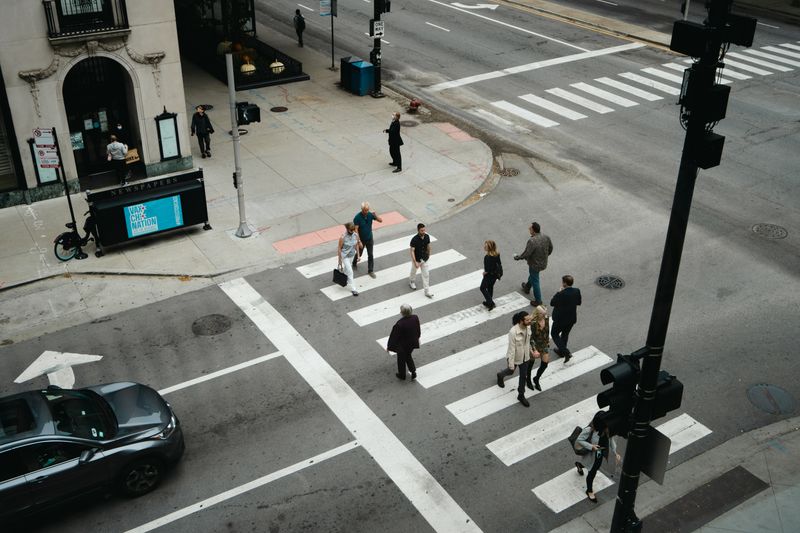
That leaves a rider crossing a junction effectively unlit from the perspective of a driver approaching along the crossing road. Junction conflicts are a substantial share of urban cycling collisions, which makes this gap a meaningful one. The fix is cheap, which is the main reason it is worth doing rather than debating.
What covers the side
Reflective sidewalls on tyres produce a bright moving circle when headlights strike them, and they need no batteries. Spoke reflectors do the same thing, and both are effective specifically because a rotating shape reads as a vehicle rather than a post.
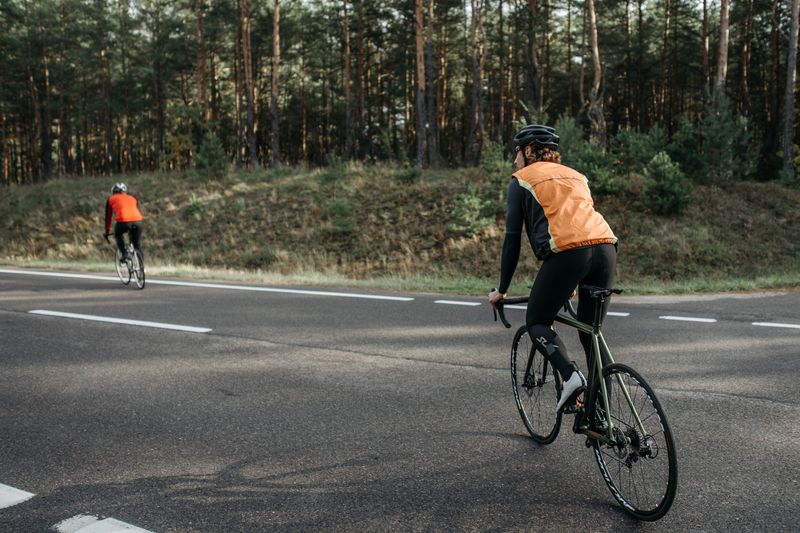
Some lights include side windows or are designed to be visible across a wide angle, which is worth checking before buying. Reflective material on ankles, shoes, panniers and helmet covers additional angles as you move. A reflective jacket panel is useful, though a static panel is less noticeable than something moving.
Steady, flashing and beam pattern
A steady beam lets an observer judge your distance and closing speed, which flashing patterns make harder. Flashing attracts attention more effectively in busy visual environments, which is why many riders run both simultaneously. Rules on flashing lights differ between countries, and some require a steady light with flashing permitted only in addition.
By the second week of riding, beam pattern matters for front lights: a shaped beam illuminates the road without dazzling oncoming riders and drivers. Very bright unshaped lights aimed level are genuinely dazzling and are a common complaint on shared paths.
Seeing versus being seen
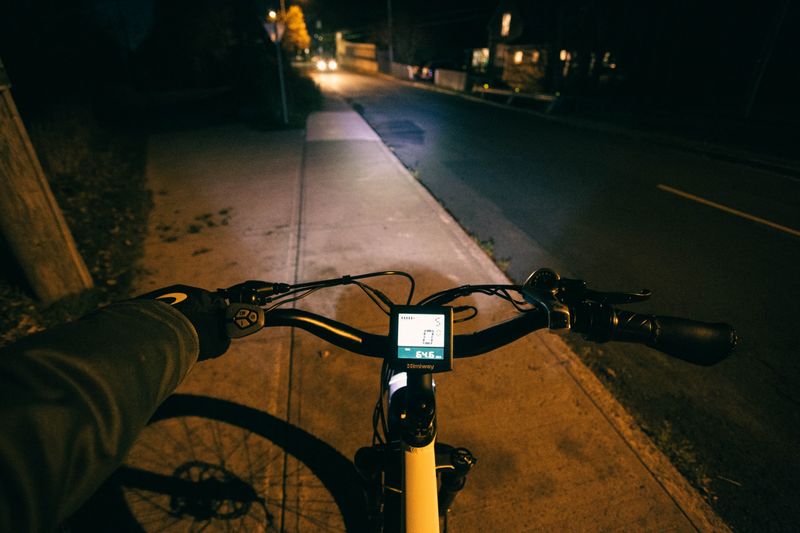
A light bright enough to be noticed in a lit city street is not necessarily enough to show you the road surface. On unlit routes you need a beam that reveals potholes and debris far enough ahead to react to them.
Judge that by your stopping distance, since a beam that only reaches a few metres is inadequate above walking pace. Aim the front light so the brightest part of the beam lands on the road ahead rather than into other people's eyes.
Two front lights, one shaped for the road and one for conspicuity, is a common and sensible arrangement for mixed routes.
Power, mounting and reliability
Rechargeable lights are convenient and fail suddenly when the battery is depleted, so check the charge before evening rides. Dynamo systems remove that problem entirely and are why they remain standard on utility bikes in several countries. Mounts matter more than most buyers expect, since a light that rotates downward over rough ground illuminates the front wheel.
Carry a small spare rear light, since being unlit at the back is the more dangerous of the two failures. Check that a light is secure and aimed correctly each time you fit it, because vibration moves them steadily.
Road law for cycles and e-scooters is local, and enforcement is more local still.
The legal side
Lighting requirements vary considerably: colours, flashing patterns, reflector requirements and even minimum brightness are all specified differently. Many countries require a red rear reflector and pedal reflectors in addition to lights, and some specify approval marks.
The bit that actually matters: riding without required lights can affect liability after a collision even where enforcement is light. Look up the specific requirements for the country you ride in rather than assuming your setup complies. Where the rules are minimal, treat them as a floor rather than a target, because being seen is the point rather than compliance.
The takeaway
Light the front, light the back, and put something reflective on the wheels for the direction nobody thinks about.
Most of riding well is being boring and predictable to everyone else on the road.
Questions readers ask
Do I need side visibility if I have good front and rear lights?
Yes. Most front and rear lights show very little from ninety degrees, and junction conflicts commonly involve a vehicle approaching from the side. Reflective tyre sidewalls or spoke reflectors cover it cheaply.
How bright does my front light need to be?
Bright enough to show the road far enough ahead to stop, which depends on your route lighting and speed. On lit streets a modest light is fine; on unlit roads it is not.