Riding the City
Delivery Riding Changed What Cities Have to Plan For
A large population of riders now works on two wheels under time pressure. That has altered traffic patterns, kerbside demand and the politics of cycling in a decade.

Everything below about delivery cycling comes from what actually happens rather than from what is supposed to.
What holds up in practice
- Piece-rate pay creates time pressure that shapes riding behaviour.
- Cargo bikes can replace vans for many short urban deliveries.
- Kerbside loading space is the constraint cities most often miss.
A new category of rider
App-based delivery work has created large numbers of riders who spend whole shifts on the road in dense traffic. Their exposure per person is far higher than a commuter's, which changes their risk profile substantially.
Many ride machines they do not own or maintain, and some ride electric machines whose legal status varies by country. Their working conditions, pay structure and employment status differ between platforms and jurisdictions and are frequently contested. None of that changes the fact that they are now a significant share of urban cycling in many cities.
Why the incentives matter
Payment per delivery rather than per hour creates a direct financial reward for riding faster and taking shorter routes. That pressure shapes behaviour in ways that are entirely predictable and are frequently blamed on individuals. Waiting time at restaurants and customer addresses is usually unpaid, which increases the pressure on the riding portion.
Where the work is classified as self-employment, the rider carries the cost of any incident personally. Addressing riding behaviour without addressing the pay structure has generally not worked anywhere it has been tried.
Cargo bikes in urban logistics
For deliveries within a few kilometres in dense areas, a cargo bike frequently completes more drops per hour than a van. The advantage comes from parking, since a bike can stop at the kerb where a van circles looking for space. Several cities have supported microconsolidation hubs, where goods transfer from lorries to cargo bikes for final delivery.
The model works best for small parcels and short distances and does not replace heavy freight. Where implemented well, it removes van trips from exactly the streets that suffer most from them.
The kerbside problem
Every delivery requires somewhere to stop, and cities have historically allocated kerbside space to parking rather than loading. That produces double parking, which obstructs cycle lanes and forces riders into traffic.
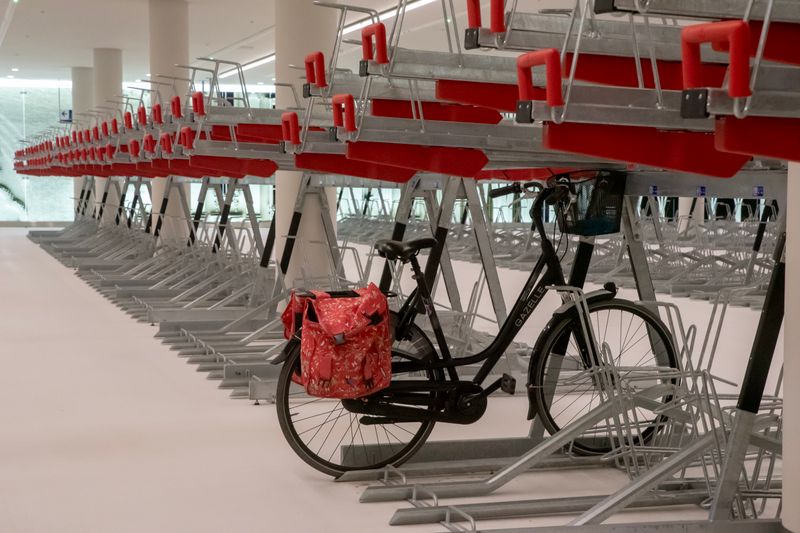
Reallocating kerb space to short-stay loading is unpopular with residents and directly reduces the obstruction. Cargo bike parking is a related gap, since a loaded cargo bike does not fit conventional stands.
Kerbside management is unglamorous and is now one of the more consequential urban transport questions.
Charging and battery risk
Delivery riders using electric machines charge them frequently and often in residential accommodation. Fire services in several countries have linked a rising number of serious fires to lithium batteries, particularly with uncertified conversion kits and mismatched chargers. That risk concentrates among riders who cannot afford manufacturer equipment and who charge multiple packs at home.
Some cities have responded with safe charging points, awareness campaigns and equipment standards. It is a genuine hazard, it is addressable, and treating it as a reason to oppose electric machines generally misses the point.
Road law for cycles and e-scooters is local, and enforcement is more local still.
What this means for everyone else
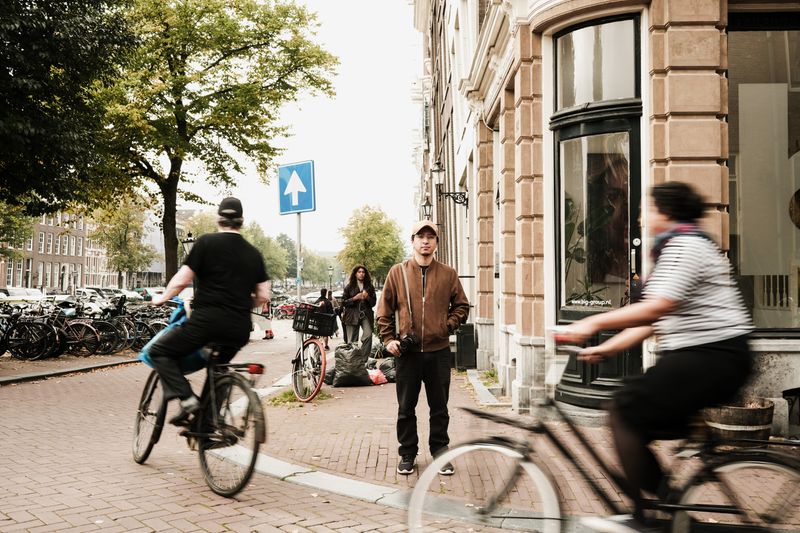
The presence of many riders on the road normalises cycling and improves driver expectation, which benefits all riders. It also concentrates poor riding in visible places, which becomes ammunition for opponents of cycling provision. Better infrastructure serves delivery riders more than most, since they spend more hours exposed to whatever exists.
Mid-traffic, some cities now consult delivery riders directly when designing schemes, which produces noticeably practical feedback. Their journeys are work rather than leisure, and planning that ignores that will keep producing designs nobody uses.
The takeaway
Delivery work put thousands of riders on city streets, and cities are still catching up with what that requires.
Most of riding well is being boring and predictable to everyone else on the road.
Questions readers ask
Are cargo bikes really faster than vans for deliveries?
For short distances in dense areas, frequently yes, because parking is the bottleneck rather than travel speed. They do not replace heavy freight over longer distances.
Why are delivery riders often in a hurry?
Most are paid per delivery rather than per hour, with waiting time unpaid. That structure rewards speed directly, which is why behaviour changes when pay structures change.