Riding the City
Bike Share Solves One Problem and Creates Another
Shared bikes remove ownership, storage and maintenance from the rider. They add availability, redistribution and parking problems that cities then have to manage.

Both approaches to bike share schemes work. What differs is what they cost you, and the cost is what this sets out.
The difference in one place
- Docked systems guarantee parking; dockless systems guarantee availability.
- Redistribution is the main operating cost of any scheme.
- Shared bikes complement public transport more than they replace car trips.
What sharing removes
A shared bike removes the need to own, store, maintain, insure and secure a bicycle, which are the main barriers for many city residents. It also removes the round-trip constraint, since you can ride one way and take another mode back. That makes it particularly useful for the first and last leg of a public transport journey.
Visitors and occasional riders benefit most, since the alternative for them is not cycling at all. For those users it is genuinely transformative, and it is why schemes spread so quickly.
Docked and dockless trade-offs
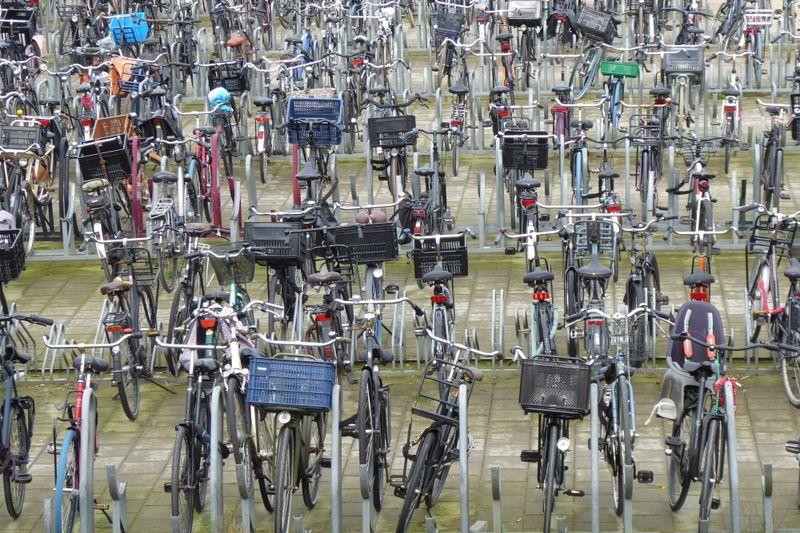
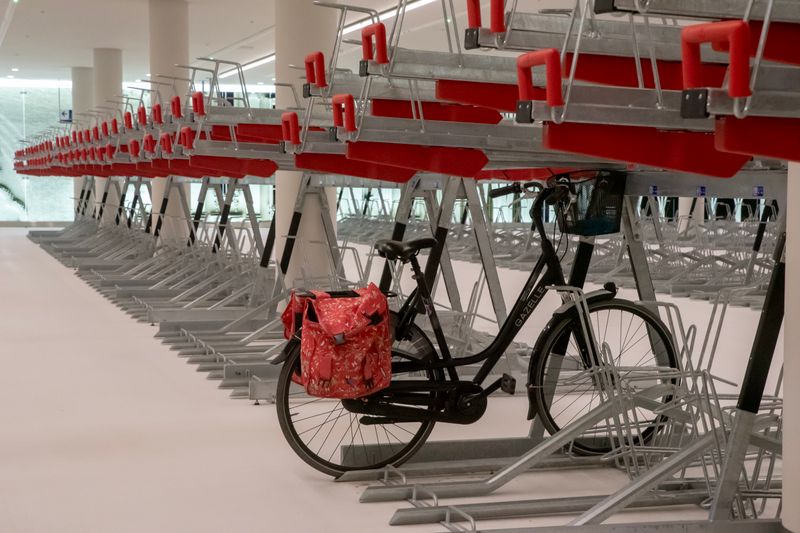
Docked systems require riders to start and finish at a station, which guarantees orderly parking and predictable locations. It also means a full station at your destination is a real problem and an empty one at your origin is equally so. Dockless systems let a bike be left anywhere, which maximises convenience and produces the pavement clutter that generates most complaints.
Hybrid approaches with designated parking areas and geofencing attempt to capture both, with varying success. Which model works depends heavily on local density, enforcement capacity and how much street space is available.
The redistribution problem
Trips are not symmetrical, so bikes accumulate downhill, at transport hubs and in business districts during the day. Operators then move bikes by van, which costs money and partly undermines the environmental case. Some schemes use pricing incentives to encourage riders to move bikes towards depleted areas, with modest effect.
By the second week of riding, redistribution cost is one of the main reasons schemes struggle to break even without subsidy. It is also why coverage tends to shrink towards the profitable centre unless a contract requires otherwise.
What shared bikes actually replace
Evaluations of several schemes have generally found that a large share of shared bike trips replace walking and public transport rather than car journeys. That reduces the direct emissions benefit relative to the headline claims made when schemes launch. It does not make them useless, since faster short trips and better transport connections have their own value.
Schemes also introduce people to cycling who then buy bikes, which is a slower and more durable effect.
The honest case for bike share is convenience and access rather than a large modal shift from driving.
Maintenance and the condition problem
Shared bikes are ridden hard by people with no stake in their condition and are exposed to weather and vandalism continuously. That is why they use heavy frames, hub gears, puncture-resistant tyres and enclosed drivetrains, which are sensible engineering choices. Even so, a poorly maintained fleet destroys confidence quickly, and one bad experience deters repeat use.
Reporting faults through the app is the mechanism most schemes rely on, and it works only if riders use it. Fleet condition is the clearest visible indicator of whether a scheme is adequately funded.
Anything structural — forks, steerer, brake mounts — is worth having a mechanic sign off.
E-bikes and scooters in the mix
Electric shared bikes extend the useful trip distance and make hilly cities viable, which has driven their rapid adoption. They also introduce battery swapping or charging into the operating model, which increases cost and complexity.
In the saddle, shared e-scooters raise separate questions about where they may be ridden and parked, and rules differ sharply between countries. Several cities have paused or restricted scooter schemes over pavement riding and parking, and others have integrated them successfully. The regulatory picture is still moving, so check the rules that apply in the city you are actually in.
Side by side
| Consideration | What it means in practice |
|---|---|
| What sharing removes | Docked systems guarantee parking; dockless systems guarantee availability. |
| Docked and dockless trade-offs | Redistribution is the main operating cost of any scheme. |
| The redistribution problem | Shared bikes complement public transport more than they replace car trips. |
The takeaway
Bike share buys access and convenience; it does not by itself buy a change in how a city travels.
Most of riding well is being boring and predictable to everyone else on the road.
Questions readers ask
Do bike share schemes reduce car use?
Less than launch publicity suggests. Evaluations generally find most shared trips replace walking and public transport, though schemes do introduce people to cycling who later buy their own bike.
Why are shared bikes so heavy?
They are built for constant use by strangers in all weather, so they use robust frames, enclosed drivetrains and puncture-resistant tyres. Durability matters more than weight for their purpose.