Riding the City
Where a City Should Build Its First Cycle Route
The first protected route in a city determines whether the next ones get funded, so it needs demand and visibility rather than the political path of least resistance.

A city building its first serious cycle route faces a choice that shapes everything afterwards. The route is a piece of infrastructure and simultaneously an argument about whether more should follow.
The easy corridor is usually the wrong one
Every city has a stretch where a lane could be added without removing parking or traffic capacity. It is tempting precisely because nobody will object to it.
Those corridors are typically where they are because they are peripheral. A route along a riverside or a park edge takes riders past few destinations and connects to little.
The finished lane is then used lightly, and its low use becomes evidence in the next debate. The path of least resistance produces the weakest possible case for continuing.
Demand is already visible before anything is built
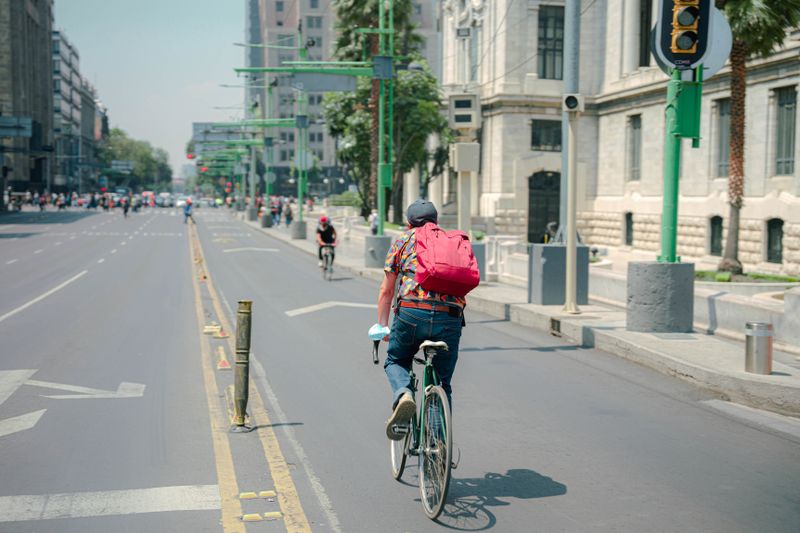
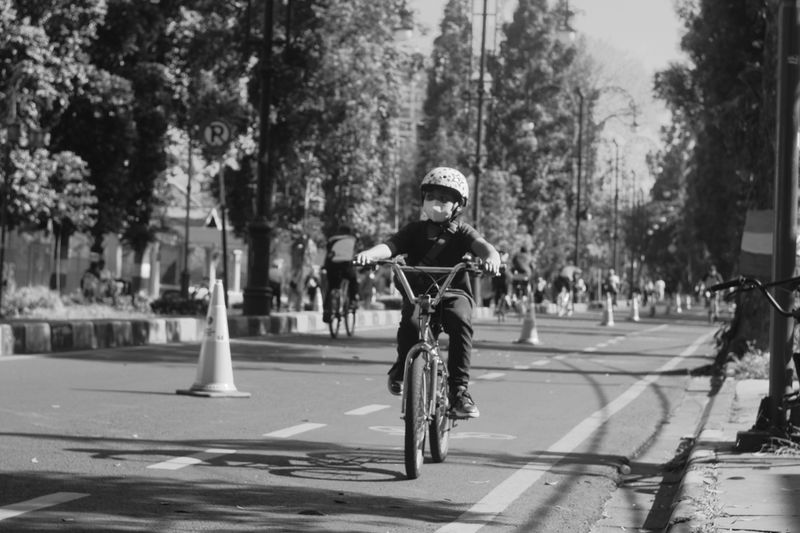
Riders exist in every city, and they concentrate on particular streets despite conditions. Those streets are showing where demand sits, under conditions that suppress it.
Building where people already ride in spite of the road is a low-risk choice. The latent demand is larger than the observed flow, because the observed flow excludes everyone deterred.
The alternative approach, building where planners think riders ought to go, requires the route to create its own demand. That takes longer and is far harder to defend early.
A route has to reach destinations, not areas
Trips end at specific places: stations, schools, hospitals, high streets and workplaces. A route that runs near several of them without reaching any is a route people leave halfway.
The last few hundred metres carry disproportionate weight. Riders judge a journey by its worst section, and if that section is at the destination, the protected part is discounted.
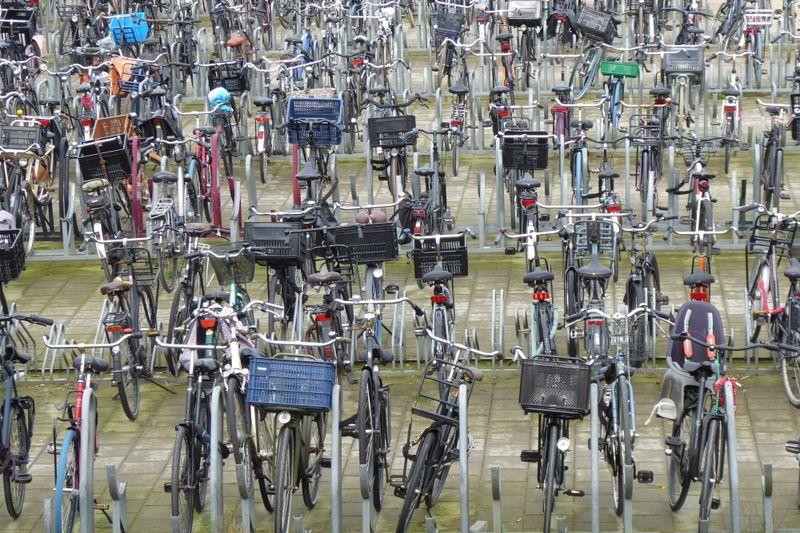
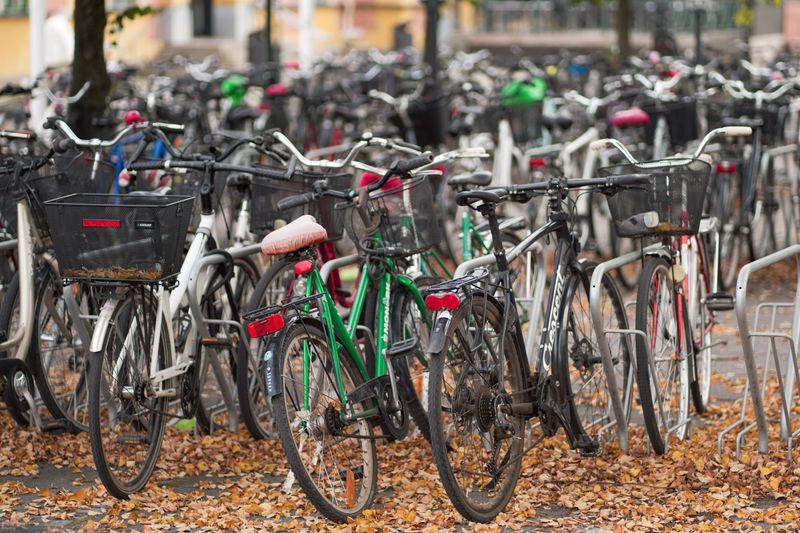
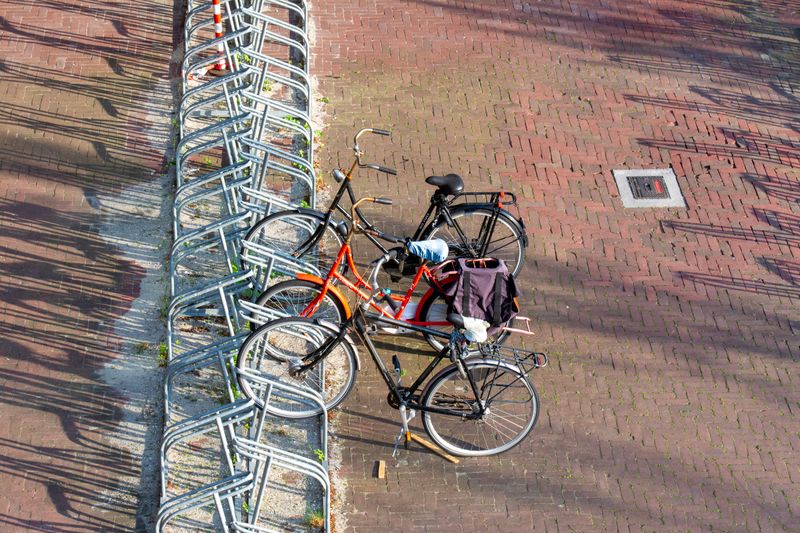
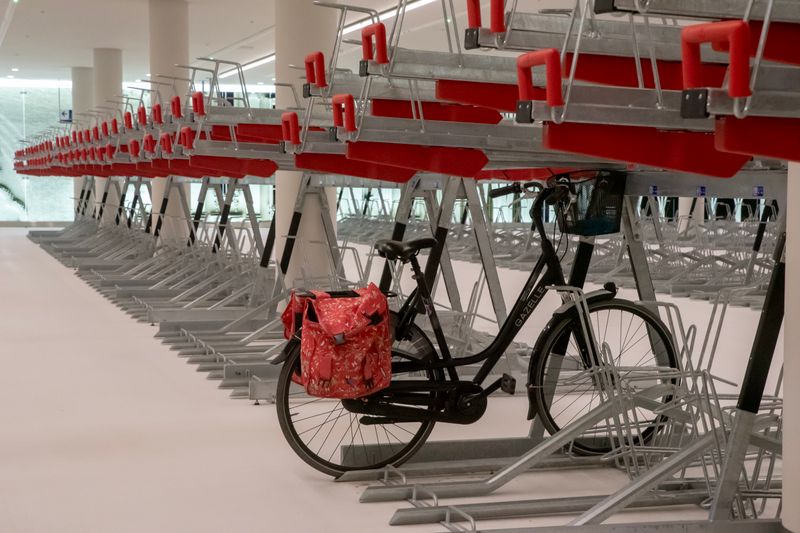
This is why arrival conditions matter as much as the corridor. Somewhere to leave the bike at the end determines whether the route is used for the trips it was built for.
Continuity beats length
A shorter route with no gaps outperforms a longer one interrupted three times. Each break reintroduces the conditions the scheme was meant to remove, and one break can dominate the experience.
Gaps most often appear at junctions, bridges and pinch points, because those are where space is contested. They are also where riders are most exposed.
Solving the hardest hundred metres and building less elsewhere is generally the better trade. The unsolved pinch point will otherwise define the route regardless of what surrounds it.
The first route sets the standard for the rest
Whatever gets built becomes the reference for future schemes. If the first route is narrow and interrupted, that width and those compromises are what subsequent designs are measured against.
Building the first one generously is therefore worth more than its own use suggests. It establishes what normal looks like before habits harden around a lower standard.
Cities that got this right tend to have a recognisable early corridor that still reads as good decades later. Cities that did not spend years retrofitting the compromises they accepted at the start.
Questions readers ask
Why do people ride on the road next to a cycle path?
Usually because the path is slower, gives up priority at every side road, or does not go where they are going. Directness is a real requirement, not a preference.
Why does a new cycle route sometimes seem little used?
Often because it does not yet connect to anything at either end. Network value grows as links join up, so early sections can look disappointing until the gaps close.