Maintenance
Servicing an Electric Bike Is Mostly Servicing a Bicycle
The electrical system on an assisted bike needs little routine attention, while the mechanical parts wear faster than on an unassisted bike and need it sooner.
Owners of assisted bicycles often assume the motor and battery dominate maintenance. In practice those parts need the least attention and the conventional components need the most.
Assistance increases the load on the drivetrain
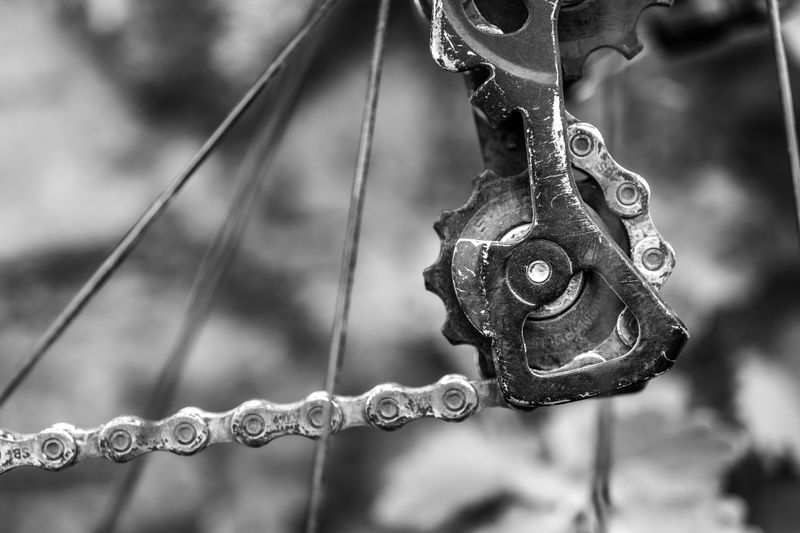
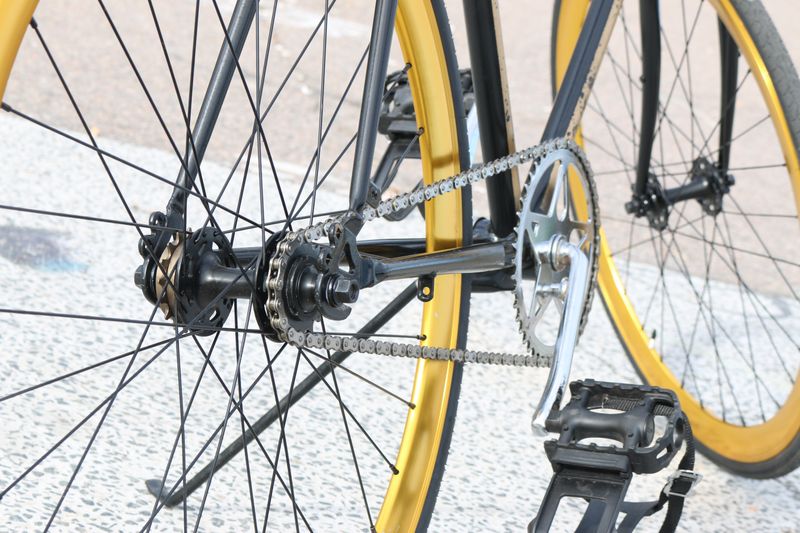
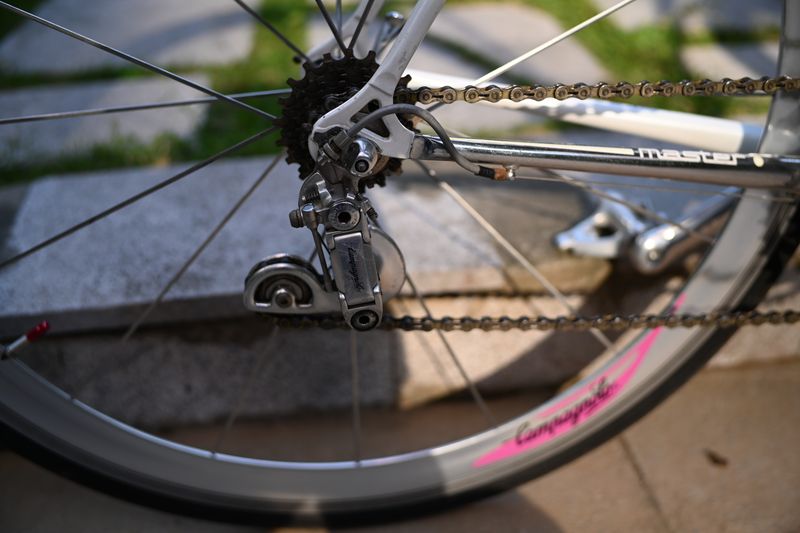
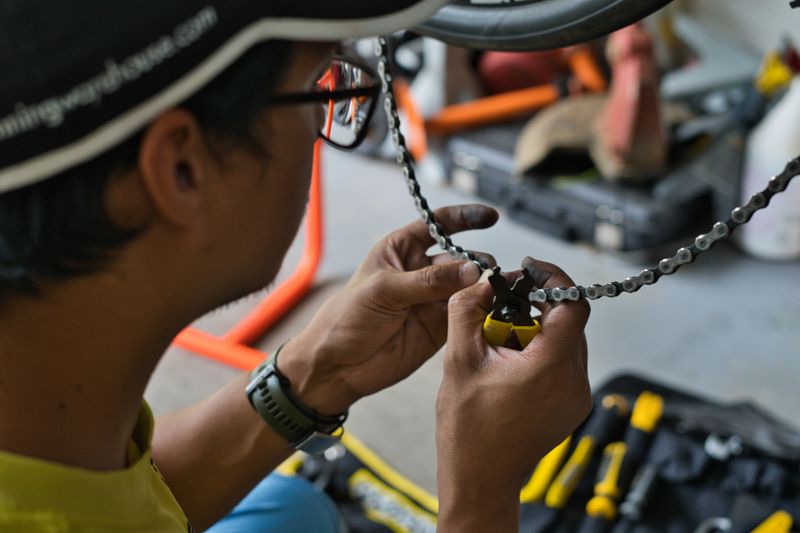
A motor adds torque to the same chain, sprockets and chainring that a rider's legs drive. The components see forces higher than they were originally designed around.
Mid-drive systems apply that torque directly through the drivetrain, which is why they wear chains substantially faster than an unassisted bike covering the same distance.
Hub motors bypass the drivetrain entirely and do not add this load. The trade is that they place their forces into the wheel and its spokes instead.
Braking loads rise with weight and speed
An assisted bike is heavier and holds higher average speeds, so each stop dissipates more energy. Pads and rotors wear proportionally faster.
Systems specified for the weight are the norm on purpose-built machines. Conversions frequently retain brakes chosen for a much lighter bicycle.
Checking pad thickness more often than on an unassisted bike is the practical adjustment. The inspection interval should follow the wear rate, not the calendar.
Tyres and wheels carry more than they used to
Combined weight of bike, rider and any load is higher, and that weight passes through the same tyres and spokes.
Tyres wear faster and are more prone to pinch punctures at a given pressure. Pressures appropriate for the loaded weight are higher than for the same tyre on a light bike.
Rear wheels on hub-motor bikes are the most stressed, since the motor's torque acts on the spokes and the weight distribution is rearward. Spoke tension is worth checking periodically.
The electrical system is largely sealed
Motors and controllers are closed units with no user-serviceable interior. Their maintenance consists of keeping connectors clean, dry and properly seated.
Batteries need no routine service beyond sensible charging and storage practice. Deep intervention is neither possible nor advisable outside a workshop equipped for it.
Firmware updates, where offered, occasionally change behaviour. That is the closest thing to a scheduled task the electrical side has.
Diagnosis splits cleanly between the two systems
Most faults are mechanical and present as noises, play or poor shifting. These are diagnosed exactly as on any bicycle.
Electrical faults present as loss of assistance, error codes or intermittent behaviour, and they usually trace to a connector rather than to the expensive component.
Establishing which system a symptom belongs to first avoids the common outcome, where a mechanical noise leads an owner to suspect a motor that is working perfectly.
Questions readers ask
My steering feels notchy in the straight-ahead position. What is that?
An indented headset bearing race, usually caused by riding with a loose headset. The notch cannot be polished out, so the bearing needs replacing, and the adjustment needs correcting afterwards.
How long should bearings last?
It depends far more on water and grit than on distance. A bike with mudguards and dry storage can go years; one ridden through salted winters without guards may need attention annually.